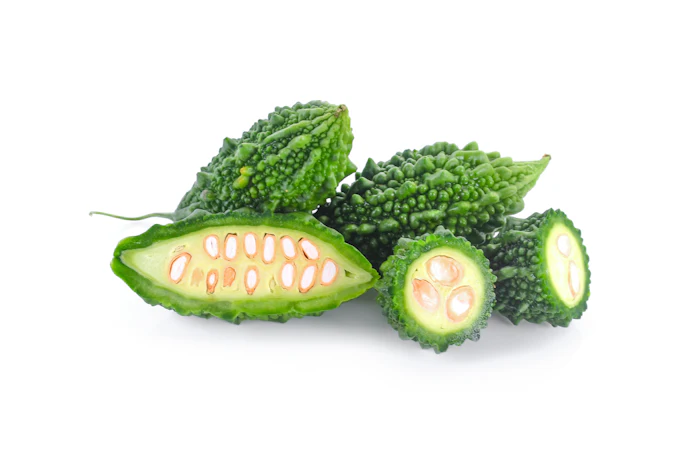
A naturally-derived enzyme from bitter melon, a thermostable keratinolytic protease, can be used as a natural enzymatic exfoliant and provides a sustainable bioactive ingredient, according to a new study published in Cosmetics.
Bitter melon, or Momordica charantia, is an edible and medicinal plant that is traditionally used across Africa, Asia and the Caribbean. The plant has been known to exhibit a range of pharmacological effects, including anti-oxidant, anti-inflammatory, anti-diabetic and anti-microbial activities. More recent studies have uncovered its dermatological applications, including wound healing and anti-aging effects. The research team sought to examine the proteolytic enzymes extracted from bitter melon for their dermatological benefits and cosmetic potential for keratin degradation.
The research team from Korea-based GFC Life Science Co. analyzed a thermostable keratinolytic protease enzyme for its cosmetic applicability. According to the results, the enzyme demonstrated strong keratin-degrading activity and retained over 80% of its activity at 70℃. Further, in vitro assays of the enzyme confirmed the sample’s low. cytotoxicity and showed significant inhibition of nitric oxide production.
Finally, to test the practical exfoliation activity of the enzyme, 11 adult volunteers used a formulation containing the M. charantia-derived enzyme for. four weeks. The participants saw a significant reduction in the desquamation index and improvements in skin smoothness and hydration, with no adverse effects reported.
“The present in-use clinical study provides human evidence that a plant-based keratinase can simultaneously improve desquamation, skin texture and hydration without irritation,” the authors of the study said.
With this research, the authors believe that there is sufficient evidence for the use of bitter melon enzymes as a sustainable, natural bioactive ingredient in the cosmetics industry.
“This study addresses key limitations associated with conventional plant-derived cosmetic enzymes — particularly their insufficient thermal and formulation stability — by demonstrating the feasibility of a keratinolytic enzyme derived from Momordica charantia as a robust and effective cosmetic ingredient,” the study concludes. “Collectively, these findings propose the bitter-melon-derived keratinase as a naturally sourced, multi-functional cosmetic bioactive that enables effective yet mild enzymatic exfoliation while providing ancillary skin benefits.”