Skin has traditionally been viewed as a passive protective barrier against environmental insults. However, accumulating evidence reveals that skin is far more dynamic—functioning as an integrated neuroimmune-endocrine organ capable of sensing, processing and responding to diverse stimuli. The epidermis, dermis and associated appendages express receptors for and synthesize numerous neurotransmitters, neuropeptides and hormones classically associated with neural tissue, including serotonin, dopamine, gamma-aminobutyric acid (GABA), acetylcholine and catecholamines1-3.
This "mind–skin" connection operates bidirectionally: psychological states influence cutaneous physiology, while skin conditions can impact mental well-being. For consumers, the visible manifestations of this axis—changes in hydration, texture, tone, sensitivity, and signs of aging—are readily apparent in the mirror. For cosmetic scientists, this biological reality presents both opportunity and challenge: the potential to develop products that address stress-related skin changes, coupled with the need for rigorous substantiation, careful claims language and navigation of an evolving regulatory landscape.
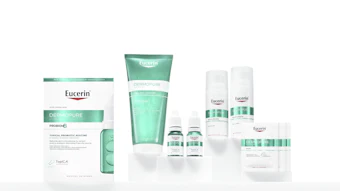
Beyond these neuroimmune–endocrine interactions, other systemic pathways also contribute to skin regulation. Emerging nutricosmetic research shows that select oral probiotics can support sensitive skin and barrier integrity, underscoring that skin health is shaped by multiple interconnected systems.
This article synthesizes current knowledge on neurotransmitter pathways in skin, examines how psychological stress disrupts barrier function and accelerates aging, explores positive interventions including touch and oxytocin and outlines a research roadmap for developing evidence-based "stress-smart" skincare products.
The Role of Neurotransmitters in Skin Health
The skin operates as a highly connected neurocutaneous system, using a “neural language” of neurotransmitters such as serotonin, dopamine, GABA, acetylcholine and catecholamines. These messengers are produced by keratinocytes, melanocytes, immune cells and sebaceous glands, working together to influence barrier strength, pigmentation, inflammation, itch, pain and repair1-3. Keratinocytes, for example, do far more than build the outer barrier—they act as sensory integrators that detect changes in temperature, mechanical stress, and pH; signals essential for healthy cell maturation and wound repair1. In this way, the skin behaves like a distributed sensory network, suggesting that ingredients that support these signaling pathways—such as those that reinforce lipid structure, improve osmotic balance or modulate neurosensory responses—may help boost resilience and recovery1.
 Wiseman at Adobe Stock
Sebaceous glands further illustrate the skin’s neuro-endocrine complexity. Often called “the brain of the skin,” they carry a broad range of receptors for stress hormones (corticotropin-releasing hormone, or CRH), melanocortin, opioids, cannabinoids and steroid hormones4-6. Under psychological or physical stress, these glands even produce their own CRH and activate a miniature stress-response system similar to the body’s hypothalamic-pituitary-adrenal (HPA) axis, directly linking emotional stress to shifts in oil production, inflammation and immunity.
The skin also produces serotonin and its precursor N‑acetylserotonin6. In pigment cells, serotonin receptors help regulate how much melanin is produced and how it is distributed. UV light interacts with these pathways as well, creating a link between sunlight, mood‑related chemistry, and pigmentation—insights that may be useful for addressing uneven tone or stress‑related pigment changes6,7. Stress and UV exposure also activate adrenergic (fight‑or‑flight) signaling, increasing norepinephrine and β2‑adrenergic activity in keratinocytes. This triggers inflammatory pathways, such as AP‑1 and IL‑6, that can influence both pigmentation and sensitivity8.
Finally, GABA—a calming neurotransmitter in the brain—also plays a role in skin cell communication. Studies in melanoma models show that GABA can dampen keratinocyte electrical activity, highlighting how “neuronal‑like” signaling can shape skin behavior8. While these findings come from disease models and require careful translation, they hint at future opportunities to influence barrier function and sensory responses through GABA‑related pathways, provided there is strong evidence of topical penetration and receptor engagement.
Stress: How Psychology Disrupts Barrier Function, Inflammation, and Aging
Stress significantly alters how the skin functions and repairs itself. When the brain and the skin’s own stress‑response systems activate, levels of cortisol and epinephrine rise. These hormones disrupt skin signaling and slow barrier repair. Studies show stress lowers skin lipids and hydration, increases water loss (TEWL) and delays recovery—all classic signs of barrier weakness9-11. It also changes the skin’s ceramide, fatty acid and cholesterol balance, making the barrier less organized and more permeable to irritants11.
Stress also amplifies nerve‑driven inflammation. Sensory nerves release neuropeptides, like substance P and CGRP, which dilate blood vessels, activate mast cells and increase inflammatory signals. In conditions like eczema and psoriasis, the connection between nerves and mast cells becomes even stronger, which is why itch and stinging tend to intensify during stress12-14.
The skin’s microbiome and aging processes are deeply influenced by stress as well. Both stress and age reduce microbial diversity and the production of beneficial metabolites—changes that promote oxidative stress and “inflammaging,” a state of chronic, low‑grade inflammation that accelerates the breakdown of collagen and elastin17. This contributes to thinner, more fragile skin over time.
Chronic stress also speeds visible aging through biochemical and repair‑related pathways. It reduces antioxidant defenses, increases DNA damage, slows wound healing and weakens collagen production. These internal changes translate into fine lines, uneven texture, and a reactive, easily disrupted barrier9,11.
Yet the impact of stress is not purely negative—touch and social connection can support skin healing. Research shows that oxytocin paired with positive, supportive touch can improve wound repair and lower cortisol, whereas oxytocin or touch alone offer limited benefit21. Earlier findings also link natural oxytocin release during supportive interactions to faster healing22,23.
Opportunities for Cosmetic Innovation
There is strong potential to design skincare that supports the skin’s stress‑responsive biology. In stress‑resilient barrier care, formulas can rebuild Irina at Adobe Stock
Another opportunity is neuro‑soothing technologies that address stress‑related itch, stinging and sensitivity. Targeting pathways such as TRPA1, TRPV4, PAR2 or neuropeptides like substance P and CGRP can help calm neurogenic discomfort. Botanicals that modulate mast cell activity or reduce neuropeptide release are promising candidates. These benefits can be assessed through controlled sensory tests—like lactic acid or capsaicin sting protocols—paired with consumer evaluations.
In the area of pigment modulation, stress‑responsive pathways open new avenues. Serotonin‑related signaling, particularly through 5‑HT receptors, may help address uneven tone or stress‑linked pigmentation changes when safely and thoughtfully targeted. Complementary strategies include combining broad‑spectrum UV protection with ingredients that moderate stress‑ and UV‑driven β2‑adrenergic activity to help manage pigment and inflammation together. Claim support can come from melanin transfer assays, ex vivo skin studies and in vivo color measurements.
Microbiome‑supportive aging care offers another pathway for innovation. Postbiotics and synbiotics—ranging from lactic acid derivatives to short‑chain fatty acid mimics and peptides—can help rebalance skin–microbe interactions, reduce oxidative stress, and slow collagen breakdown associated with inflammaging. These benefits can be validated through measures of barrier function, hydration, elasticity, and microbiome sequencing.
There is also growing opportunity in sensory neuroscience, considering how texture, scent, and sensory cues influence relaxation, perceived efficacy, and overall experience. Thoughtfully designed sensorial elements can enhance usage satisfaction when tested in controlled studies that clearly separate sensory impact from active ingredient performance.
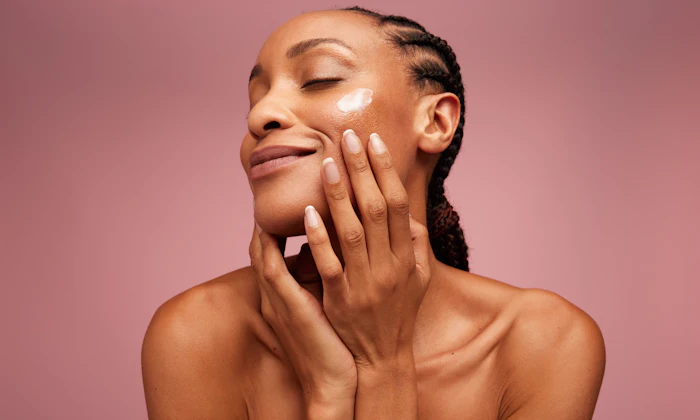
Finally, touch and application rituals add a human‑centered layer to product design. Encouraging gentle massage and mindful breathing can help reduce stress and elevate the user experience. Simple guides or tutorials can support this approach, while avoiding hormone‑specific claims.
Regulatory Landscape in the United States
The Modernization of Cosmetics Regulation Act (MoCRA) gives the FDA more authority over cosmetics. Companies must register facilities, list products, provide safety data, report adverse events, keep records, follow GMP and be ready for recalls24-27. New rules will require compliance with stricter state chemical bans. These changes raise compliance risks for products with neuromodulatory claims or complex application routines. Companies should perform regulatory gap analyses and track timelines when planning launches24-27.
Claims Language and Ethical Boundaries
“Neurocosmetics” can mention effects on skin signals like stress or sensitivity, but claims must stay cosmetic—focused on appearance, hydration, comfort—not disease treatment. Avoid language suggesting cure or therapy for psychiatric or skin disorders. Use measurable endpoints like TEWL, hydration, elasticity, and redness. Do not overstate neurotransmitter effects without strong human evidence. This approach ensures compliance and builds consumer trust24-27.
Conclusion: Building the Next Generation of Stress-Smart Skincare
The mind–skin connection is no longer a metaphor; it's a measurable network where neuromediators, immune cues, hormones and microbes converge on barrier, pigment, sensation, and repair. Future skincare should combine stress-resilient barrier systems, soothing neurosensory strategies, pigment balance via serotonin and adrenergic pathways and microbiome support—delivered through calming textures, scents and mindful application rituals.
Progress will depend on translational evidence, claims discipline and thoughtful study design that respect regulatory limits. Brands that combine mechanistic rigor with consumer-centric rituals can credibly promise not only better-looking skin, but skin that is more resilient in the face of everyday stress. The future of skincare lies in understanding and harnessing these complex mind-skin interactions to deliver products that address both the physiological and psychological aspects of skin health.
References
- Slominski AT, et al. Neuroendocrine signaling in the skin with a special focus on the epidermal neuropeptides. Am J Physiol Cell Physiol. 2022;323:C1757–C1776. [journals.p…iology.org]
- Slominski RM, et al. Neuro–immuno–endocrinology of the skin: how environment regulates body homeostasis. Nat Rev Endocrinol. 2025. [nature.com]
- Jin R, Luo L, Zheng J. The Trinity of Skin: Skin Homeostasis as a Neuro–Endocrine–Immune Organ. Life. 2022;12(5):725. [mdpi.com]
- Zouboulis CC. Sebaceous gland receptors. Dermato‑Endocrinology. 2009;1(2):77–80. [tandfonline.com]
- Zouboulis CC. The Brain of the Skin: Sebaceous Gland. In: Lipids and Skin Health. Springer; 2015:109–125. [link.springer.com], [link.springer.com]
- Lee HJ, et al. Serotonin induces melanogenesis via serotonin receptor 2A. Br J Dermatol. 2011;165(6):1344–48. [academic.oup.com]
- Yue Y, et al. 5‑HT2A involvement in melanin synthesis and transfer via PKA/CREB. Int J Mol Sci. 2022;23(11):6111. [mdpi.com]
- Deng Q, et al. UVB induces sympathetic activation and norepinephrine → β2‑AR/AP‑1/IL‑6 in keratinocytes. Inflammation.2025;48:2704–19. [link.springer.com]
- Garg A, et al. Psychological Stress Perturbs Epidermal Permeability Barrier Homeostasis. Arch Dermatol (JAMA Dermatology). 2001;137(1):53–59. [jamanetwork.com]
- Kottner J, et al. TEWL in young and aged humans: systematic review. Arch Dermatol Res. 2013;305:315–32. [link.springer.com]
- Maarouf CL, et al. Impact of stress on epidermal barrier function: evidence‑based review. Br J Dermatol. 2019;181(4):701–709. [sci-hub.st]
- Choi JE, Di Nardo A. Skin neurogenic inflammation. Semin Immunopathol. 2018;40:249–259. [link.springer.com], [link.springer.com]
- Gan B, et al. Mechanism of agonist‑induced activation of human itch receptor MRGPRX1. PLoS Biol. 2023;21(6):e3001975. [journals.plos.org]
- Guo L, et al. Ligand recognition and G‑protein coupling of MRGPRX1. Nat Commun. 2023;14:5417. [nature.com]
- Tagore M, et al. GABA regulates electrical activity and tumor initiation in melanoma. Cancer Discovery. 2023;13(10):2270–2291. [aacrjournals.org], [europepmc.org]
- Zouboulis CC, et al. Sebaceous immunobiology—innate immunity and inflammatory response. Front Immunol. 2022;13:1029818. [frontiersin.org]
- Woo YR, Kim HS. Interaction between the microbiota and the skin barrier in aging skin. Front Physiol. 2024;15:1322205. [frontiersin.org]
- Hong JY, et al. Microbiome‑based interventions for skin aging and barrier function. Ann Dermatol. 2025;37(5):259–268. [anndermatol.org]
- De Almeida CV, et al. Oral and topical probiotics/postbiotics in skincare. Microorganisms. 2023;11(6):1420. [mdpi.com]
- Li M, et al. Pre/postbiotic skincare: multi‑omic impact on skin microbiome/metabolome. Front Med. 2023;10:1165980. [frontiersin.org]
- Schneider E, et al. Intranasal oxytocin + positive intimacy ↔ blister healing & cortisol. JAMA Psychiatry. 2025; doi:10.1001/jamapsychiatry.2025.3705. [jamanetwork.com]
- Gouin JP, et al. Marital behavior, oxytocin/vasopressin, and wound healing. Psychoneuroendocrinology. 2010;35(7):1082–1090. [ohiostate….erpure.com]
- Kiecolt‑Glaser JK, et al. Hostile marital interactions, cytokines, and wound healing. Arch Gen Psychiatry. 2005;62(12):1377–1384. [jamanetwork.com]
- FDA. Registration & Listing of Cosmetic Product Facilities and Products (MoCRA). (Web resource, authoritative). [fda.gov]
- FDA. Guidance for Industry: Registration and Listing of Cosmetic Product Facilities and Products. 2024 Update. (Web resource). [fda.gov]
- Crowell & Moring LLP. Client alert: FDA final guidance under MoCRA; enforcement from July 1, 2024. (Legal analysis summarizing FDA guidance). [crowell.com]
- Moritt Hock & Hamroff LLP. FDA updates: registration/listing deadlines & adverse event reporting. 2024. (Legal summary). [moritthock.com]
- Green M, et al. TEWL: environment & pollution—systematic review. Skin Health & Disease. 2022;2(2):ski2.104. [academic.oup.com]