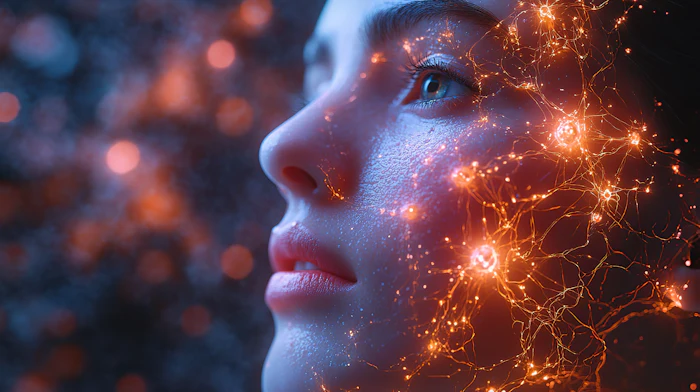
Look good, feel good. It’s a common phrase that may seem a bit trite, but there might be a touch of truth behind it, especially in the field of neurocosmetics. Can using a cosmetic product actually improve emotional health and wellbeing? That is the question that this emerging field is exploring.
The global neurocosmetics market size was estimated at $1.94 billion in 2024 and is expected to grow at a CAGR of 8.5% from 2025 to 2030, according to a report from Grand View Research1. This market is being driven by robust technology advancements in neurotechnology and an increased consumer demand for emotional benefits in cosmetics.
In this article, we explore the definition of neurocosmetics, how these principles can be applied in formulation and the regulatory considerations for this relatively new innovation.
What Exactly are Neurocosmetics?
We are currently seeing some developments and interest in the market for claims based on neuroscience data and the emotional benefits of cosmetics, but it is useful to first understand what neuroscience is: the study of the nervous system – from structure to function, development to degeneration, in health and in disease. Within this context, neurocosmetics are cosmetic products formulated to interact with the skin’s neurosensory system, targeting nerve endings, receptors and signaling molecules in the skin.
The scope of claims made for neurocosmetics is broad. From a regulatory point of view it is important to differentiate between the different types of claims that might be used in this area.
- Emotional (Enjoyable Sensory Experience) Claims: Claims that the experience of applying the product was positive / luxurious.
- Emotional Mind-Type Claims and Aromatherapy Claims: Claims that can promote spiritual, physical and emotional health and well-being.
- Neuroscience Testing: Use of scientific tests based on neuroscience.
- Neurocosmetic Claims: The industry is commonly using the definition from Professor Laurent Misery, referring to them as “not absorbed products applied on the skin, exhibiting activity on the cutaneous nervous system or in general effects on the skin mediators2.”
Neurocosmetics products are, therefore, formulated to exhibit an activity on the cutaneous nervous system by affecting the skin’s neuromediators through different mechanisms of action. Neurocosmetic claims reflect this activity and the resulting skin benefit.
When discussing neurocosmetics, four main steps are generally involved:
- Application of the product on the external part of the body
- Exhibition of an activity on the cutaneous nervous system by the product
- Action on the skin neuromediators and the brain
- The neurocosmetic action results in a skin benefit improvement
Science-Backed Beauty Opportunities and Challenges
Neurocosmetics are gaining significant attention within the cosmetic industry due to the availability of new ingredients and scientific testing methods. These new data provide further support for R&D to develop new products that can deliver further neuroscience benefits from comfort and self confidence to more advanced skin benefits. The increased demand in science-backed wellness products has also been on the rise. Consumers value emotional benefits and ritualistic self-care as much as visible aesthetic results. But neurocosmetics claims are triggering the most challenges due to borderline characteristics and a high level of substantiation requirements.
Neurocosmetics are considered to fall within a new and interesting space in the cosmetic industry, as their claims are positioned as “breakthrough” and require robust supporting evidence. Although neurocosmetics go beyond what is common within the industry, they are still controlled as cosmetics and must fit under the safety requirements used for all cosmetic products.
A major challenge with neurocosmetics comes down to the associated efficacy claims and their borderline positioning. In fact, some claims currently viewed as “neurocosmetic” may actually be classed as a different type of claim: from emotional claims to advanced neurocosmetic claims, which can impact the type and level of substantiation that is needed and also whether there is a risk that the efficacy could be seen as “borderline” with the medicinal/drug category in many markets.
Understanding which type of category you have can help you to determine the substantiation that needs to be gathered to ensure you meet your obligations for claim substantiation.
 TensorSpark at Adobe Stock
We would normally expect for a neurocosmetic claim to be robustly substantiated using a mix of in vitro and in vivo data from the formula and the ingredients as well as instrumental data and panelist questionnaires. Neuroscience methodologies can be used by companies to strengthen their claims and dossier. Among methodologies, it is worth mentioning a range of technologies, from biometrics—such as heart rate variability (HR), galvanic skin response (GSR), facial electromyography (fEMG), etc.—to brain imaging, such as functional magnetic resonance imaging (fMRI).
Psychometric tests (perceived stress) are also very helpful, such as the Ethological Coding System for Interviews (ECSI) (non-verbal behavior) and, of course, the use of questionnaires, is crucial to assess the effects the product has on the panelists. Consumer self assessment feedback is always required to understand the real life benefit as methodologies involving vital parameters are often just an indicator of an emotional response but have limits in identifying the exact emotional state.
Regulatory Considerations
When this topic is being discussed within the industry, there is always an interrogation about what can or cannot be said about the property of a product or an ingredient. Amazing data are being presented with great results, but the regulatory framework does not allow some of these claims to be used as those claims can be medicinal. There is also the debate about the robustness of those tests as when it comes to neuroscience there are still a lot of unknowns.
The current challenge is to conduct those tests knowing that businesses may not be able to communicate on those benefits and results. Claim substantiation and borderline are areas that businesses should navigate and understand. Although claims linked directly to the product may be difficult to make, it is important for our industry to communicate on the work being done in this area. Companies should be proud to start developing testing inspired by neuroscience and should be confident in communicating on those initiatives.
From a regulatory perspective, for the UK and EU, we have only two classifications: medicine or cosmetic. Neurocosmetics fall within the cosmetics category and therefore businesses should make sure that product claims are acceptable and substantiated. The debate to consider an intermediate category is however a topic of discussion that we are hearing more often and not specifically linked to neurocosmetics.
We are indeed witnessing the need to recognize that cosmetics have changed since 1976 when the EU Cosmetics Directive introduced the cosmetic definition. We are learning more and more about skin physiology and the way our body works with the external environment with innovative products now able to provide more benefit than before. It could, therefore, be argued that our current definition restricts innovations. However, we have been working with this definition for such a long time that any changes will have to be carefully considered. Meanwhile it is important for businesses to ensure that their claims are not medicinal.
Beauty as Therapy
Consumers are expecting more than mere beauty benefits nowadays from their cosmetic routine. There is a real desire to support skin health via the use of more active cosmetics to prevent and restore skin conditions. Neurocosmetics are part of this trend but a bit distinct as those products target a holistic wellbeing framework - mood / confidence and acting on neuro sensors, not just the skin, which will ultimately have skin benefits.
References
- Grand View Research, Neurocosmetics Market Report, https://www.grandviewresearch.com/industry-analysis/neurocosmetics-market-report
- Misery, L. Neuro-immuno-cutaneous system (NICS). Pathol. Biol. 1996, 44, 867–874. https://europepmc.org/article/med/9157366