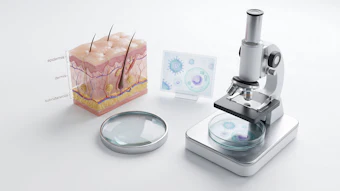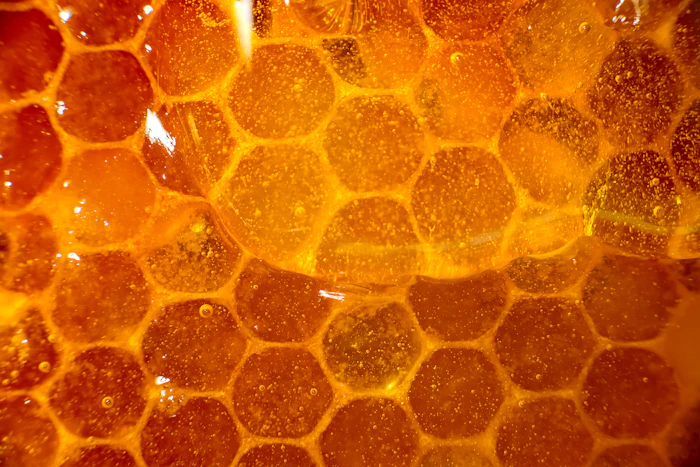
A new candidate for protecting human skin cells from premature aging and UV damage has surfaced: multifloral honey. According to a study published in Antioxidants and the Journal of Experimental Biology, showed that the honey safeguarded skin stem cells from UV-induced aging and strengthened cellular stress responses.
Honey has been used for many centuries and is lauded for its medicinal and cosmetic properties. It contains bioactive components and natural antioxidant compounds. Previous studies showed that phytochemicals derived from honey can modulate molecular pathways of aging.
In the study, led by Dr. Fikriye Julya Kavak and Dr. Margherita Maioli of the University of Sassari, multifloral honey from eastern Anatolia was tested on skin stem cells using a bioreactor. The researchers evaluated the impact of honey on stem cell maintenance, extracellular matrix (ECM) production and cellular aging mechanisms. The researchers also measure the antioxidant properties of honey by measuring nitric oxide production and the total antioxidant capacity of the tested cells.
According to the results of the study, the stem cells treated with a 1% solution of multifloral honey maintained cellular homeostasis by upregulating pluriopotency-associated genes. Additionally, the honey directly intervened in the molecular pathways of cellular aging by suppressing the activation of UV-induced senescence markers.
“The findings in this study indicate that honey modulates [signalling] pathways in a context-specific manner, supporting the preservation of stem cell function rather than widespread proliferative activation under stressing conditions,” the authors stated in their research article. “These findings indicate that the effect of honey on the activation of Wnt signaling pathways is finely tuned according to the type of damage and biological context.”
The researchers believe that this study can lend itself to new therapeutic uses of honey in regenerative medicine. Further studies are needed to determine the intercellular communications between different cell types as well as further assessments of different phenotypes.