Author’s note: The skin care industry has long turned to dermatologists for scientific guidance and today, that reliance is only deepening. As the limits of purely structural skin biology become apparent, psychodermatology offers a more integrated lens. To explore what this discipline can truly offer the beauty industry and consumers, I (Katerina Steventon, Ph.D.) invited Keira Barr, M.D. (KB), to share her perspective on skin health and well-being.
As a dual board-certified dermatologist and the founder of the Center for Mind Skin Medicine – as well as a board member of the Association for Psychoneurocutaneous Medicine of North America – Barr works at the forefront of translating neuroscience and trauma research into clinically meaningful skin-care applications. Her Somatic Skincare methodology addresses the physiological pathways linking stress, trauma and inflammatory skin conditions, offering insights that are actively reshaping both product development strategies and clinical protocols. What follows is her framework for understanding skin, longevity and emotional life and how it opens new frontiers in beauty science.
This article is only available to registered users.
Log In to View the Full Article
Author’s note: The skin care industry has long turned to dermatologists for scientific guidance and today, that reliance is only deepening. As the limits of purely structural skin biology become apparent, psychodermatology offers a more integrated lens. To explore what this discipline can truly offer the beauty industry and consumers, I (Katerina Steventon, Ph.D.) invited Keira Barr, M.D. (KB), to share her perspective on skin health and well-being.
As a dual board-certified dermatologist and the founder of the Center for Mind Skin Medicine – as well as a board member of the Association for Psychoneurocutaneous Medicine of North America – Barr works at the forefront of translating neuroscience and trauma research into clinically meaningful skin-care applications. Her Somatic Skincare methodology addresses the physiological pathways linking stress, trauma and inflammatory skin conditions, offering insights that are actively reshaping both product development strategies and clinical protocols. What follows is her framework for understanding skin, longevity and emotional life and how it opens new frontiers in beauty science.
KB: For years, longevity in beauty has largely been framed around structural biology: collagen breakdown, elastin degradation, oxidative stress. These matter, but they’re not the full story. A deeper paradigm is emerging in which the skin is understood not only as a biological longevity organ, but also as an emotional container whose signals echo far beyond the surface.
Dermatological neuroscience demonstrates that everyday exposures including UV radiation, inflammation, microbial imbalance and barrier disruption, can activate neuroendocrine pathways that influence cognitive resilience and systemic health.1 At the same time, psychodynamic science describes the skin as our earliest emotional boundary, shaping safety, identity and our characteristic patterns of stress response.2, 3
Together, these findings invite us to see longevity not just as a set of molecular endpoints, but as an expression of the relationship between our skin, brain, body, environment and emotions.
The Skin as a Longevity Organ
KB: When we look at skin through the lens of longevity, it stops being a passive barrier and starts to appear as a dynamic neuroendocrine interface. Keratinocytes, melanocytes and fibroblasts produce hormones, neuropeptides and inflammatory mediators that constantly send messages to the brain.
Ultraviolet (UV) exposure makes this relationship unmistakable. When skin is exposed to UV, keratinocytes initiate a localized HPA-axis response that elevates cortisol.1 With repeated activation, these cutaneous stress signals contribute to chronic systemic cortisol elevation. This pattern is associated with impaired hippocampal neurogenesis, reduced synaptic plasticity, and accelerated cognitive aging.1
UV also alters neurotransmitter activity. Persistent UV stress increases dopamine in both the skin and hippocampus, disrupting neurogenesis and memory formation.1 Meanwhile, rising β-endorphin levels reinforce UV-seeking behaviors, demonstrating how environmental cues at the skin can influence mood, motivation, and reward.
Intrinsic aging adds another layer of complexity. As skin becomes drier and barrier-compromised, it releases cytokines such as IL-6, IL-8 and TNF-α into circulation, which are potent drivers of systemic inflammaging.1 These cytokines activate microglia, weaken the blood–brain barrier, and promote neuroinflammation associated with cognitive decline.1 From this perspective, skin barrier integrity becomes a whole-body longevity mechanism.
A particularly compelling player here is brain-derived neurotrophic factor (BDNF). Although widely discussed in the context of brain health, BDNF is also produced in keratinocytes, melanocytes and fibroblasts.1 With advancing age, cutaneous BDNF production declines. This has broader implications: BDNF can cross the blood–brain barrier, and peripheral levels correlate with cognitive performance, mood regulation and neuroplasticity.1 In effect, the skin acts as an auxiliary reservoir for a molecule central to memory and learning.
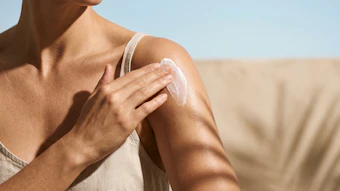
The encouraging news is that these pathways can be influenced. Moisturizers have been shown to reduce circulating inflammatory markers like IL-6 and CRP within weeks.1 Sunscreen helps to minimize UV-induced cortisol surges. And polyphenols, like tomato and lemon extracts, have been shown to increase BDNF expression in skin cells, support hippocampal neurogenesis, and improve memory performance in aged mice.1
In other words: skin care is also brain care.
The Skin as an Emotional Container
KB: If biology explains how these changes occur, psychology helps explain why they matter so deeply. From a psychodynamic perspective, the skin is not just an organ, it is a living archive of emotional experience. It is the place where early touch, safety and co-regulation are first encoded.2 As the earliest boundary between self and world, the skin helps to establish how we sense safety, belonging and connection long before we can name those experiences. Because the skin and nervous system both arise from the ectoderm, their relationship remains tightly linked throughout life.
When early experiences are nurturing, the skin learns to help modulate arousal and signal safety. When they are not, the skin frequently becomes the surface where unresolved emotional states appear later: flushing, redness, itching, picking, inflammation or stress-related flares.2, 3
Seen through this lens, the skin becomes a visible interface where internal states take form. Patterns of emotional regulation and patterns of dermatologic regulation often mirror one another because both are responding to the same cues of threat, safety and connection. Emotional longevity and skin longevity, therefore, are inseparable.
Neuro-Emotional: A New Direction for Beauty Formulation
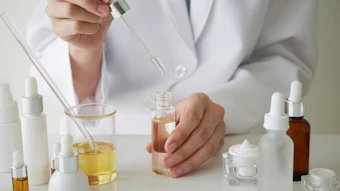
KB: If the skin is both a biological and emotional longevity organ, the next frontier for cosmetic science is neuro-emotional formulation — developing products and experiences that support skin, brain and emotional regulation as one interconnected system.
This shift raises a series of strategic questions for innovators:
- How might ingredients be selected and combined to lower systemic inflammatory burden and support long-term cognitive resilience?
- How could texture, temperature and sensory profile be designed to engage C-tactile (CT) afferent fibers, promoting oxytocin release and autonomic regulation?
- And how can daily skin care rituals be reframed as micro-interventions of brief, repeatable rituals that support both stress physiology and barrier health?
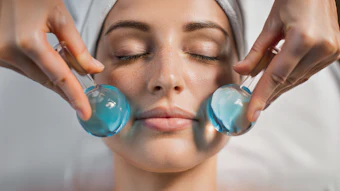
These questions naturally influence how consumers use products. Photoprotection becomes not only an extrinsic age-defying tool, but also a neuroprotective measure that reduces UV-driven cortisol spikes. Barrier restoring moisturizers help to decrease systemic inflammation while reinforcing both cutaneous and cognitive resilience. Polyphenol-rich formulations may help support BDNF pathways. And the application experience itself, the pace, pressure, warmth and presence can activate sensory-affective circuits that calm the nervous system and support emotional resilience. When biological and emotional longevity are woven together, skin care evolves from being merely corrective, to being genuinely restorative.
The future of longevity may begin at the skin’s surface, but its effects reverberate through the entire mind–body system. When we treat the skin as both a neuroendocrine interface and an emotional container, we open the door to cosmetic strategies that support visible skin health while simultaneously nurturing cognitive vitality, emotional regulation and whole-person resilience. This is longevity redefined. And it starts with the skin.
Human Connection: A Biological Modulator of the Emotional Container
KS: Barr’s work highlights the skin’s role as a relational organ, one profoundly shaped by safety, attunement and co-regulation. Building on this foundation, it becomes clear that human connection itself is a biological input with direct implications for skin health
When the skin is understood as both a neuroendocrine interface and an emotional container, human connection emerges as a biologically active regulator of skin health. Synthesizing insights from neuroscience, medicine and care, friendship can be understood as a stabilizing relational input, one that shapes immune competence, stress physiology and the skin’s capacity to function as a resilient boundary between self and world.
From a systems perspective, friendship signals holding and safety. Perceived social connection downregulates hypothalamic–pituitary–adrenal (HPA) axis activity, reducing cortisol and attenuating stress reactivity. This is directly relevant to skin biology. Excess cortisol impairs epidermal barrier repair, suppresses lipid synthesis, delays wound healing and amplifies inflammation. In contrast, social connection buffers against cortisol-driven dysfunction and supports cutaneous homeostasis.4
Neurobiological evidence further shows that stable social bonds are associated with lower circulating levels of IL-6 and TNF-α, improved immune surveillance, and greater resilience to infection. These same cytokines are central drivers of cutaneous inflammaging, barrier fragility and neurogenic inflammation. In this context, positive human connection may be inherently preventative in both skin aging and chronic inflammatory skin disease.
Friendship also operates through affiliative neurochemistry. Social connection increases oxytocin and endogenous opioids, both of which have anti-inflammatory and anxiolytic properties. Oxytocin receptors support keratinocyte differentiation, barrier repair and wound healing, while endorphins modulate pain and itch. Together, these pathways create a biochemical environment that supports skin integrity and sensory regulation. Connection expressed through warmth, friendliness and humor has direct biological implications for the skin, which emotionally reflects how safe we feel within our environment.4
Friendship reinforces the skin’s role as a flexible, protective boundary. Conversely, social threat, emotional distance or relational insecurity can destabilize this boundary, contributing to hypersensitivity, inflammation and dysregulated sensory responses.4
Loneliness represents a state of perceived threat. It sustains stress-response activation, disrupts immune regulation and reduces reparative capacity. During periods of social isolation, such as the COVID-19 pandemic, this biology became clinically visible through delayed wound healing and increased severity of inflammatory skin conditions. The skin often becomes a primary site where social stress is biologically expressed.4
Through my clinical practice, I have learned that one of the most powerful interventions lies not only in scientific expertise, but in the quality of human connection offered. A friendship-like presence — warm, equal and containing — supports regulation more effectively than sympathy, which can inadvertently reinforce vulnerability. The nervous system, and the skin alongside it, responds to being met as capable rather than fragile.
Friendship, therefore, functions as a form of social barrier support, reducing cumulative stress exposure and fostering resilience over time. Skin health requires not only skin care, but relational safety as a foundational biology of longevity.
Conclusion
Together, these perspectives redefine the skin as an intelligent interface between biology, emotion and environment, expanding longevity beyond repair into regulation and resilience. For the skin care industry, this marks a unique opportunity to evolve from approaching skin as a surface to designing science-led products and experiences that actively support how people live, feel and age well over time.
References
- Yoon, K.N. and Chung, J.H. (2025, Aug). Healthy skin, healthy brain. J Dermatol Sci, 119(2) 47-52.
- Dattolo, A., Tan, I.J. and Jafferany, M. (2025). Psychoanalytic and psychodynamic approaches to skin disease and their implications for dermatology. Skin Res Technol. 31: e70176.
- Kibel, H.D. (1989). An introduction to the work of Didier Anzieu. Intl J Group Psychotherapy, 39, No. 4, 531–53
- Ryan, T. (2022, Jul). Friendship in the age of COVID-19. Postgrad Med J, 98(1161) 485-486.