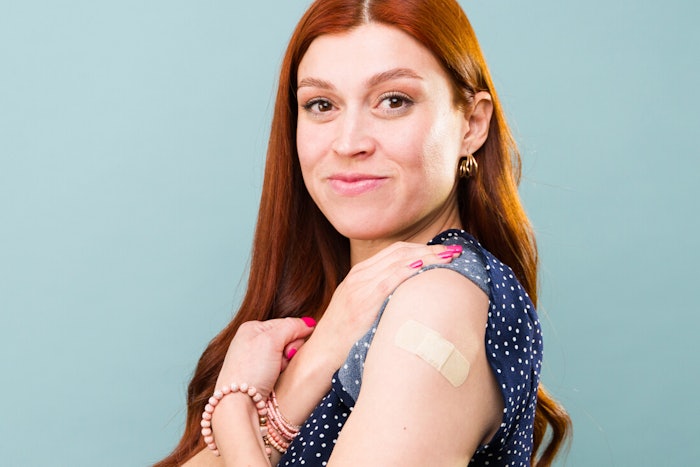
Millions worldwide are affected by chronic wounds that often resist healing due to persistent inflammation. Groundbreaking research recently published in PNAS reveals the role of the Melanocortin 1 Receptor (MC1R) gene — known for its link to red hair and fair skin — in regulating inflammation and promoting tissue repair. By activating MC1R with a topical drug, researchers demonstrated significant improvements in wound healing, offering a promising new therapeutic approach, ScienceAlert reported.
Role of MC1R in Wound Healing
Found in various skin cells, including immune cells, keratinocytes, fibroblasts and others, MC1R helps to regulate inflammation and repair damaged tissue, co-author Jenna Cash explained in ScienceAlert.
In chronic wounds, this pathway is disrupted, leading to prolonged inflammation and stalled healing. As such, researchers sought to uncover how MC1R dysfunction contributes to these issues.
Chronic Wound Model
According to the open access PNAS article, the study used an innovative, reproducible and humane mouse model designed to mimic the characteristics of human chronic wounds. This model incorporated advanced age and oxidative stress — two key factors in chronic wound pathology. By creating slow-healing, inflammation-rich ulcers, researchers were able to replicate the persistent, non-healing nature of chronic wounds seen in humans. This allowed for precise testing of MC1R-targeted therapies under realistic conditions.
When a topical drug activating MC1R was applied, healing improved significantly, with:
reduced inflammation,
enhanced blood vessel growth and
faster re-epithelialization.
The drug also decreased the presence of neutrophil extracellular traps (NETs) that exacerbate inflammation and limited the arrival of new inflammatory cells, per Cash. Even in healthy wounds, MC1R activation boosted blood flow, improved lymphatic drainage and reduced scarring, she added.
Promising Therapeutic Breakthrough
These findings pave the way for innovative treatments, such as MC1R-targeted ointments or gels, that could transform chronic wound care. With millions affected globally and healthcare systems burdened by the costs, this research offers hope for patients and providers alike.