In fragrance, scent is only part of the story. What increasingly matters, especially to informed, conscientious customers, is where materials come from, how they’re made and why they’re used. Traceability is no longer a behind-the-scenes compliance exercise; it’s a design principle that shapes quality, safety and trust.
This article is only available to registered users.
Log In to View the Full Article
In fragrance, scent is only part of the story. What increasingly matters, especially to informed, conscientious customers, is where materials come from, how they’re made and why they’re used. Traceability is no longer a behind-the-scenes compliance exercise; it’s a design principle that shapes quality, safety and trust.
At its simplest, traceability means being able to follow every ingredient from origin to finished formula. In practice, it’s more nuanced. It requires understanding raw material sources, cultivation and harvesting conditions, extraction methods, purity and composition, and supply-chain integrity, then documenting those details in a way that is accurate, consistent and useful.
This matters in every segment of fragrance, but it becomes especially consequential in a natural-forward landscape. Essential oils, extracts and natural isolates bring remarkable character—yet they also bring variability, complexity and sourcing realities that can’t be solved with marketing language.
Why Traceability Matters
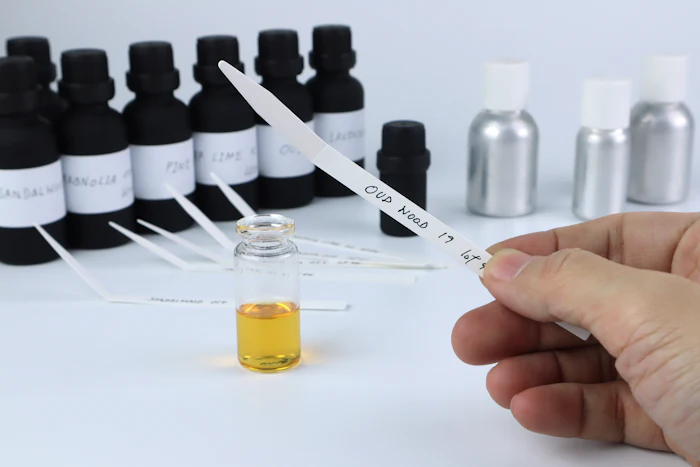
 A lavender oil is not a static input; it’s a living expression of geography and process. Kotkoa at Adobe Stock
For naturals, traceability is also the foundation of consistency. Climate shifts, harvest timing, soil conditions and extraction parameters can change the olfactive profile of a material from batch to batch. A lavender oil is not a static input; it’s a living expression of geography and process. When a brand has strong traceability, origin documentation, lot tracking and specifications that reflect real-world variability, it becomes possible to maintain a signature scent over time without overcorrecting the formula or sacrificing integrity.
Traceability Reframes the Natural vs. Synthetic Conversation
A traceability-first approach also changes the way we talk about “natural” versus “synthetic.” The real question isn’t which category is “better” in theory—it’s which ingredient is better understood, responsibly sourced and appropriate for the intended product at the intended use level.
Naturals can be extraordinary and complex. High-quality synthetics can offer consistency and precision. Standardized natural fractions and isolates can bridge the gap. In all cases, traceability is what enables responsible decision-making, because it brings the conversation back to what can be verified: composition, sourcing, quality parameters and documentation.
The Operational Reality: Sourcing, Logistics and Documentation
Traceability is also an operational discipline. It lives at the intersection of sourcing practices and supply chain execution. As brands scale, the questions become more specific:
- Can you trace this material to a defined origin and supplier network?
- Are you tracking lot-to-lot variation and setting realistic specifications?
- Do you have documentation that survives importing/exporting requirements and changing logistics constraints?
- Can you substantiate claims without relying on vague language or implied purity?
When shipping lanes shift, harvests fail, or suppliers change, traceability becomes a stabilizer. It allows teams to evaluate substitutions intelligently, maintain quality and document changes transparently, rather than patching the formula assuming everything is equivalent.
What Transparency Looks Like in Practice
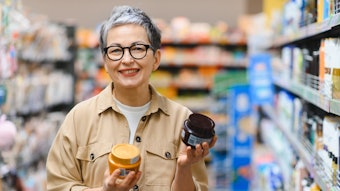
 Transparency doesn’t mean overwhelming consumers with technical language. It means communicating in a way that is truthful, consistent, and useful while being able to stand behind the information when asked.Mediaphotos at Adobe Stock
For a fragrance brand centered on transparency, traceability shows up in tangible, repeatable behaviors, not just storytelling:
- Clear ingredient categorization (what it is and why it’s there)
- Defined sourcing standards and supplier vetting
- Lot tracking and specifications that reflect real natural variability
- Intentional material selection based on safety, stability and performance
- Honest communication: no vague claims, no implied purity, no hiding behind “proprietary” where clarity is possible
Transparency doesn’t mean overwhelming consumers with technical language. It means communicating in a way that is truthful, consistent and useful while being able to stand behind the information when asked.
The Future of Fragrance
Traceability is becoming a marker of quality, not just compliance. Consumers are asking smarter questions, retailers and partners are asking for better documentation and brands are discovering that trust is built through evidence, not aesthetics.
In the next era of fragrance, traceability will separate those who simply source ingredients from those who design with integrity. The brands that can answer questions with clarity, confidence and documentation won’t just keep pace. They’ll set the standard.