The year 2025 was transformative for the cosmetics industry, with groundbreaking innovations in AI, biotech and sustainability, among others. From personalized skin care, longevity and hair health, to inclusive beauty and neurocosmetics, following is a recap of some of the top trends we're seeing that are reshaping our industry.
1. AI and Personalization
AI is not only transforming diagnostics and optimizing formulation, but also enabling real-time customization of beauty products. By analyzing skin images, AI can detect subtle changes in skin health, such as pigmentation, hydration levels and fine lines, and propose tailored solutions — in some cases, at the point of experience.
AI-powered apps and devices are also enabling consumers to monitor their skin health at home, bridging the gap between professional dermatology and everyday skin care. This technology is additionally being used to create inclusive beauty solutions by analyzing diverse skin tones and conditions.
2. Biotechnology and Sustainability
Biotechnology is addressing the dual demand for high-performance and eco-friendly products. Through fermentation, recombinant technologies and plant-based systems, biotech is creating ingredients that are not only effective, but also sustainable.
These methods reduce the environmental impact of traditional ingredients and sourcing, such as petroleum-derived materials and deforestation or over-harvesting. Additionally, biotech is enabling the creation of multifunctional ingredients that combine benefits like hydration, anti-aging and protection in a single formulation.
3. Skin Longevity and Wellness
The concept of well-aging is replacing traditional anti-aging narratives, focusing on maintaining skin health and vitality rather than reversing damage. This approach integrates holistic wellness, including diet, sleep and stress management, with advanced skin care solutions.
Ingredients targeting epigenetic changes, cellular energy and microbiome balance are becoming central to this trend. Brands are also exploring the role of emotional well-being in skin health, creating products that promote relaxation and stress relief. Climate-adaptive or climate-responsive solutions to ensure appropriate skin protection and care also fit into this innovation trend.
4. Hair and Scalp Health
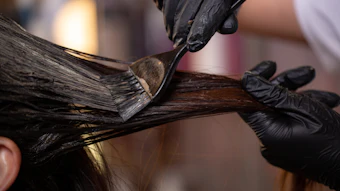
Hair care is evolving to address not just cosmetic concerns, but also underlying health issues like scalp microbiome imbalance, hair thinning and damage from environmental stressors. Products are increasingly incorporating ingredients like peptides, ceramides and exosomes to repair and protect hair at a molecular level.
The skinification of hair care also continues, with brands applying skin care principles to hair products, such as using antioxidants and anti-inflammatory agents to improve scalp health.
5. Photoprotection and SPF Innovation
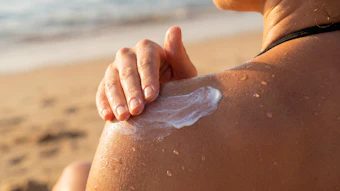
The demand for multifunctional sunscreens is driving innovation in photoprotection. Consumers are looking for products that not only protect against UV rays, but also offer benefits like blue light protection, hydration and anti-aging — i.e., the skinification of sun care, with brands incorporating skin care ingredients like hyaluronic acid and antioxidants. Advances in SPF testing methods are another focus to ensure that these products meet global regulatory standards while providing reliable protection.
It is also worth noting one major step forward for sunscreens in the U.S. in 2025: the Food and Drug Administration's (FDA) endorsement for bemotrizinol to be approved as a permitted sunscreen active. Major efforts by DSM-Firmenich and others were made to attain this proposed move, which is open for public comment until Jan. 26, 2026.
6. Inclusivity and Diversity
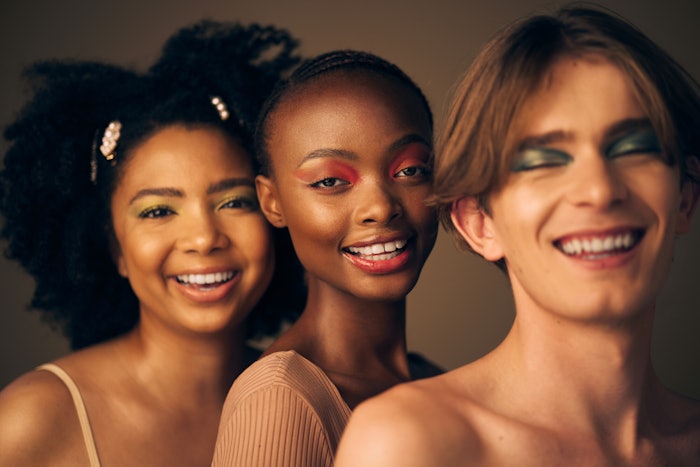
Inclusivity in beauty is no longer an afterthought, it’s a primary focus — and not only in terms of skin tone-matching in color cosmetics and white casting by sunscreens. Brands are investing in research to understand the unique needs of diverse skin tones and types; from hyperpigmentation in deeper skin tones, to eczema in sensitive skin and even the needs of Gen Alpha consumers.
Inclusive beauty also extends to product testing, with brands ensuring that their formulations are effective and safe for a wide range of consumers. This shift is being driven by consumer demand for representation and authenticity in the beauty industry.
7. Neurocosmetics and Emotional Well-being
The connection between beauty and mental health is gaining recognition, with neurocosmetics emerging as a key trend. These products are designed to enhance emotional well-being by incorporating ingredients that stimulate the release of "feel-good" hormones like dopamine and oxytocin.
Fragrance plays a significant role in this trend, with scents being used to evoke positive emotions and reduce stress. The tactile experience of applying these products is also being optimized to create a sense of comfort and relaxation.
8. Emerging Technologies to Validate Claims
Emerging technologies are providing deeper insights into skin biology and ingredient efficacy, enabling the development of more effective and targeted products. Tools like single-cell transcriptomics and 3D skin models are revolutionizing research by replicating real-life conditions more accurately.
These technologies are also being used to validate claims, ensuring that products deliver on their promises and provide consumers the scientific backing they seek. The integration of AI in these processes is further accelerating innovation.
9. Lifestyle and Value Centric
The beauty industry is increasingly focusing on creating products that align with consumers' lifestyles and values; e.g., eco-friendly, vegan and cruelty-free, supporting self-care and health; and more. This includes addressing concerns like trend fatigue by offering timeless, high-quality products that provide lasting benefits.
Brands are also leveraging social media, digital technologies and viral marketing to engage with consumers and build brand loyalty. The rise of lifestyle-driven innovation reflects a shift toward products that enhance overall well-being, rather than just addressing cosmetic concerns.
2026 and Beyond
These trends in innovation could spin off in several directions. Many have begun to, already.
- AI could evolve from reactive personalization to predictive ecosystems by analyzing long-term data from wearables, apps and environmental factors.
- Biotech could enable fully circular systems, where waste from one process becomes the input for another.
- Biohacking principles could allow consumers to optimize skin health from the inside out, syncing ingestible supplements with topical products.
- Scalp microbiome mapping through at-home kits could analyze bacterial balance and propose tailored treatments to address issues like dandruff, hair thinning or oiliness at the microbial level.
- Sunscreens could become smart enough to adapt the provided protection to the environmental conditions in real-time.
- Products could incorporate biofeedback technology to adjust their effects based on the user’s emotional state.
- Emerging tech could create digital replicas of a user’s skin to simulate how it would respond to different products or environments and allow consumers to test products before purchase.
It will be interesting to watch the industry push the boundaries of innovation in 2026 and beyond. Follow along as we uncover what's next.