This roundup offers an overview of recent cosmetic product recalls, along with regulatory updates, safety evaluations and new compliance requirements. Highlights include Boots/Wet n Wild and Neutrogena recalls; banned toxic dyes in Taiwan; Sri Lanka’s proposal to reduce mercury limits; the ECHA’s draft restriction on octocrylene; the ECHA's microplastics reporting; several SCCS opinions; PFAS mapping; and more. These developments demonstrate the continuing global focus on cosmetic safety and sustainability.
Recalls and Seizures
Boots Recalls Wet n Wild Proline Felt Tip Eyeliner, SOSU Peach Dreams Eyeshadow Palette
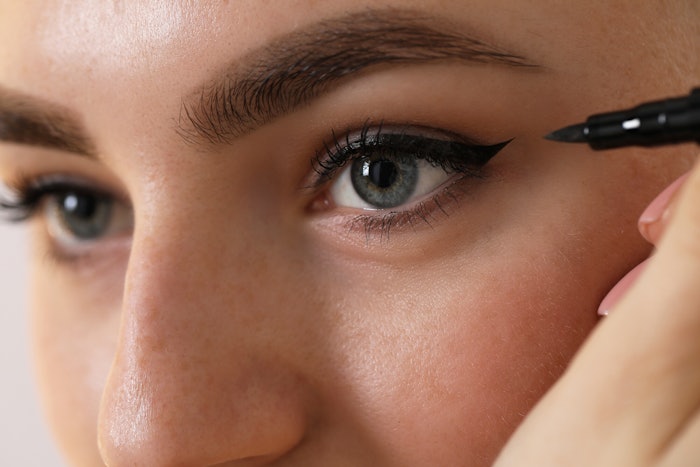
Boots recently issued a recall for Markwins Beauty Brands' Wet n Wild Proline Felt Tip Eyeliner, according to a report by the Liverpool Echo. The recall, announced on Nov. 13, 2025, affected all batches of the product (product references: E8752, EAN: 4049775587527).
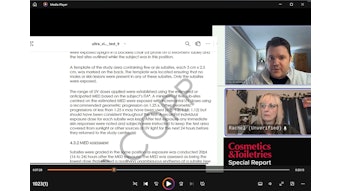
As a Global Perspectives video explained, Markwins Beauty Brands voluntarily recalled the product due to regulatory issues, stating the product did not meet cosmetic standards; details were not disclosed. The same source noted that this is the second cosmetic recall for Boots in recent weeks.
Indeed, in October 2025, GB News reported that Boots withdrew the SOSU brand Peach Dreams Eyeshadow Palette because it contained an "excessive concentration" of arsenic. MSN added that all SOSU cosmetics were recalled from 85 stores across Ireland as a precautionary measure.
SOSU Founder and Owner Suzanne Jackson explained, in an interview with Evoke, that earlier in 2025, SOSU withdrew the palette from sale following a review with the Health Products Regulatory Authority (HPRA). This palette, which dates back to 2022, is no longer in production.
Neutrogena Recalls Makeup Wipes Over Bacterial Contamination
Neutrogena initiated a recall of its Makeup Remover Ultra-Soft Cleansing Towelettes in September after discovering bacterial contamination, Top Class Actions reports. The recall affected 1,312 cases of the product (lot number: 1835U6325A).
The contamination, caused by Pluralibacter gergoviae, poses a risk of infection, particularly for individuals with compromised immune systems. Neutrogena has urged customers to discontinue use and return the product for a refund.
Toxic Dye in Cosmetics Spurs Recalls in Taiwan, Raw Material Seizures
The Taipei Times reported Taiwan’s Food and Drug Administration (FDA) recently detected Sudan red dyes in cosmetics, which are banned as potential carcinogens. This prompted recalls and sales suspensions by 14 local and foreign companies.
The affected products include a makeup remover by Chinese company Kimtrue and a lip oil by Taiwanese company Greenvines, among others. The FDA also seized contaminated raw materials and emphasized the importance of stringent quality control measures to prevent future incidents. The contamination was traced to a raw material supplier based in Singapore.
Regulatory Updates
In addition to product recalls, recent updates were announced to regulatory measures to safeguard cosmetics.
ECHA: Microplastics Reporting System Now Open
The European Chemicals Agency (ECHA) has announced its chemical data software IUCLID and submission tool REACH-IT are ready to receive reports on companies' microplastic emissions. This reporting obligation applies to uses exempt from the EU-wide ban, which came into effect in October 2023. The first reports, covering emissions from 2025, are due by May 31, 2026, for certain manufacturers and industrial users, with broader reporting deadlines extending to May 31, 2027.
According to the ECHA, the reporting system aims to standardize data collection, enabling regulators to monitor emissions and assess the effectiveness of risk management measures. This data will also inform future policy decisions on microplastics, ensuring a more sustainable approach to their use in industrial and consumer products.
ECHA Drafts Use Mapping Document for PFAS
The ECHA also published a draft use mapping document for PFAS, outlining sector-specific evaluations conducted by its Committee for Socio-Economic Analysis (SEAC). This mapping is part of the ongoing consultation process for the PFAS restriction proposal, with the final draft opinion expected in March 2026. The draft mapping covers 14 sectors, including consumer products, textiles, food contact materials and medical devices.
In the case of cosmetics, consumer products containing PFAS and the use of TFA in the synthesis of peptides were cited. Stakeholders are encouraged to review the mapping and provide use-specific information to ensure comprehensive regulatory decisions.
EU: SCCS Opinions on Tea Tree Oil, CBD, Mercury-based Preservatives, BHA and Hair Dyes — Open for Comment
The EU's Scientific Committee on Consumer Safety (SCCS) has released several opinions on the safety of tea tree oil, CBD and other cosmetic ingredients. These opinions provide updated safety thresholds and highlight concerns, such as mercury-based preservatives and hair dyes with potential mutagenicity.
In summary, these include:
Tea tree oil (TTO): TTO is considered safe in specific concentrations: up to 2.0% in shampoo, 1.0% in shower gel and face wash, and 0.1% in face cream, provided it conforms to ISO 4730:2017 standards. However, TTO is a moderate skin sensitizer, and its stability must be ensured.
Cannabidiol (CBD): CBD is deemed safe at concentrations up to 0.19% in dermal and oral cosmetic products, with THC impurities allowed up to 0.00025%.
Thiomersal and phenylmercuric salts: These mercury-based preservatives are not considered safe for use in cosmetic eye area products due to health risks, including renal toxicity and unclear genotoxicity potential.
Butylated hydroxyanisole (BHA): BHA is considered safe in leave-on and rinse-off cosmetic products at concentrations up to 0.07%, but only for dermal use.
Hair Dye Basic Brown 16: This ingredient is not considered safe due to its potential mutagenicity.
Hair Dye Basic Blue 99: Basic Blue 99 is also not considered safe due to genotoxicity concerns and its classification as a skin sensitizer.
Stakeholders are encouraged to review the opinions and provide feedback during the consultation periods.
Sri Lanka Proposes Stricter Mercury Limits
Sri Lanka has proposed 16 cosmetic standards that reduce the permissible mercury limits in products such as skin powders, toothpaste and lipsticks, ChemLinked reports. The new limit of 0.1 mg/kg aligns with the Minamata Convention on Mercury, per the source. Updated testing methods have also been introduced and stakeholders can submit comments until Jan. 20, 2026.
Canada Updates Risk Management for Phosphoric Acid, TPHP and 1,3-Propanediamine Derivatives
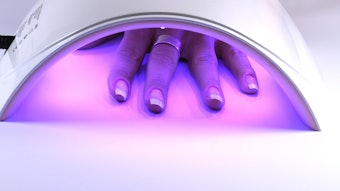
ChemLinked also reported that Canada has updated its risk management measures for phosphoric acid, triphenyl ester (TPHP) and 1,3-propanediamine derivatives. For example, reduced dermal exposure to TPHP from certain nail care products is proposed for people four years of age and older.
FDA Withdraws Talc-Asbestos Testing Proposal
Finally, as previously reported, the U.S. Food and Drug Administration (FDA) has withdrawn a proposal that would have required cosmetic companies to test talc-containing products for asbestos. The agency cited the complexity of asbestos testing and legal considerations as reasons for the withdrawal.
More specifically, the FDA proposed to define asbestos to include amosite, chrysotile, crocidolite; asbestiform tremolite, actinolite, anthophyllite, winchite and richterite; and other asbestiform amphibole minerals. However, comments were received requesting consistency with the established definitions or approaches used by other federal agencies to avoid unnecessary confusion. A new proposal will be issued to fulfill the requirements of a 2022 law mandating asbestos testing in talc products, The Hill reports.
Conclusion
The cosmetics industry continually faces evolving regulations aimed at enhancing consumer safety, environmental sustainability and product transparency. Staying informed and proactive is essential to navigate these changes, ensure compliance and maintain consumer trust.