Name: Charissa Low
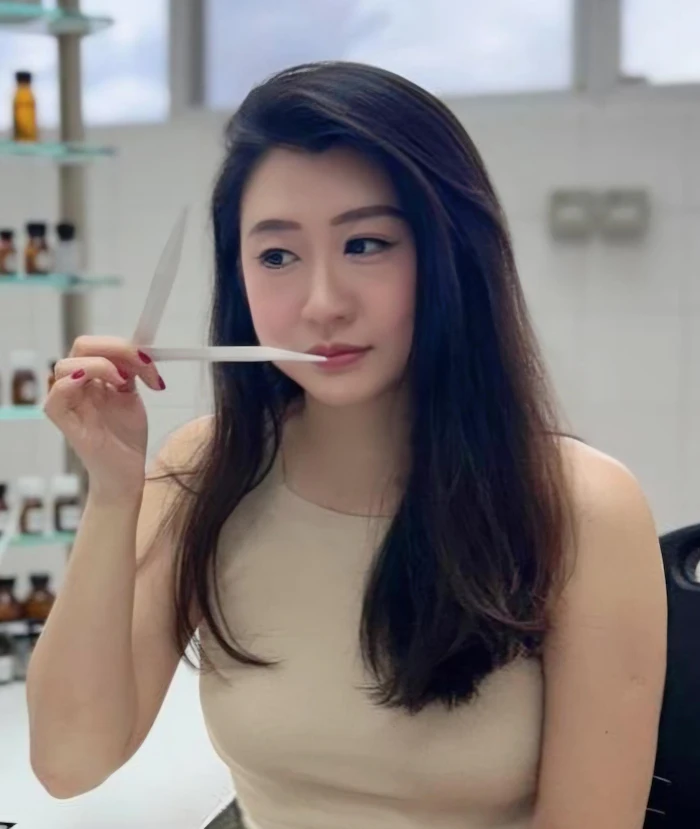
I did my internship at one of the big flavor houses back when I was still a student at the Polytechnic. I was fortunate to be exposed to both flavor compounding and flavor application in bakery. Assisting the flavorists and observing how they created flavors left a deep impression on me, and I knew right away that I wanted to be a flavorist. My ambition was defined from that moment.
This article is only available to registered users.
Log In to View the Full Article
Name: Charissa Low
Title: Flavorist, Creative Centre Manager
Location: Singapore
What led you to the flavor industry?
I did my internship at one of the big flavor houses back when I was still a student at the Polytechnic. I was fortunate to be exposed to both flavor compounding and flavor application in bakery. Assisting the flavorists and observing how they created flavors left a deep impression on me, and I knew right away that I wanted to be a flavorist. My ambition was defined from that moment.
Can you share a defining moment or breakthrough in your career as a flavorist?
There was this one time I was stuck in gridlocked traffic in Jakarta. I looked out my window and noticed the truck beside me. The driver was drinking a carbonated beverage that had the flavor I created in it.
I continued to see people in Malaysia buying the drink at convenience stores. I approached this lady who was checking out at the cashier, and casually asked if she liked it, as I saw her buying three bottles at once. She told me it tasted really good, she loved it, and it was always out of stock.
These defining moments clarified the impact of my work, validated my efforts, and gave me a strong sense of purpose in my creations.
What were some of the biggest challenges you faced when entering the industry, and how did you overcome them?
Being a trainee flavorist in the beginning was tough. There was a lot of pressure to succeed, as I was not the only trainee candidate. But when I look back on it several years later, I am still grateful for how grueling my training was, as those standards shaped me into the flavorist I am today. I’m glad I pushed through with a lot of grit and determination.
Having done creation work for 14 years now, I’ve met my fair share of naysayers. The only way to overcome this is through results, positive thinking, and staying steadfast in your passion. And of course, let’s not forget to celebrate the people who always had faith in me and my potential.
Can you describe a time when a flavor formulation didn’t turn out as expected? How did you address the issue?
Being a flavorist, we are sporadically surprised that after writing a formulation and compounding it (putting all the materials together), it may turn out differently than expected. These differences can be due to solubility issues, incompatibility of raw materials, or not meeting regulatory status requirements, and the list goes on. This is why it’s important to be relentless during the trial stage, to sniff out all possibilities for the formulation to work, even if it requires some compromise to the profile.
One example is spray-dried powder flavors, where the profile may turn out differently after the spraying process and needs to be evaluated and, at times, reformulated.
How do you find the right balance between artistic expression and the technical limitations of flavor formulation?
Over time, experience helps anticipate limitations and constraints early, which allows ample room to create freely and purposefully. It becomes second nature to a flavorist to access the palette, select suitable materials, and consider cost and compliance of the formulation at the same time. There is an awareness that exploration mode and delivery mode can both happen concurrently.
I think the trick to this is becoming more inventive rather than see these constraints as limiting. A successful flavor can still be born despite technical limitations and perform well in the final product.
Are there specific skills or knowledge areas you believe are crucial for a flavorist to master?
Besides having the mandatory technical knowledge of raw materials and being organoleptically sound, I believe a flavorist truly excels when they are creative and passionate about what they do. They must be able to accept criticism, possess strong communication skills, and demonstrate excellent troubleshooting abilities.
To me, being a flavorist means being a little of everything. You have to be convincing that your flavors are the right choice, and above all, have a great deal of wit and grit.