9-Decenal (FEMA GRAS #3912, CAS #39770-05-3, DG-SANTE #05.139) is a very interesting but little appreciated raw material. It has something in common with one of my favorites, trans-2-decenal, in that it is reminiscent of citrus, but without the strong cilantro association.
This article is only available to registered users.
Log In to View the Full Article
9-Decenal (FEMA GRAS #3912, CAS #39770-05-3, DG-SANTE #05.139) is a very interesting but little appreciated raw material. It has something in common with one of my favorites, trans-2-decenal, in that it is reminiscent of citrus, but without the strong cilantro association.
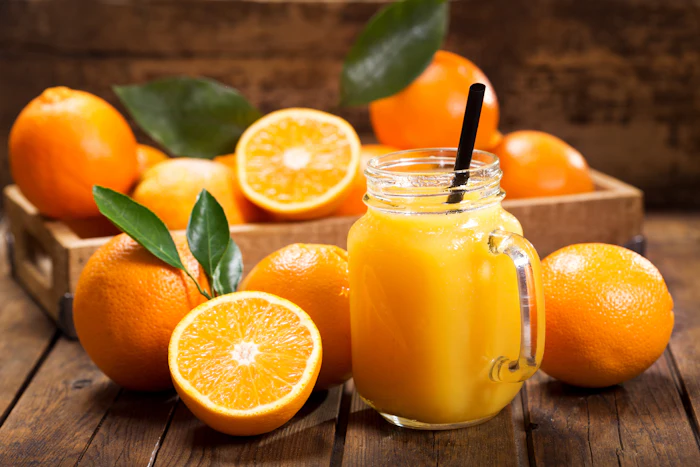
It is even more powerful than trans-2-decenal and can be used in a fairly wide range of flavors. In citrus flavors it distinctly brings to mind the profile of orange pulp.
Note that the dose rates given throughout this article are the levels suggested for use in flavors intended to be dosed at 0.05% in ready-to-drink beverages or in a simple bouillon.
Citrus Flavors
Bergamot: 9-Decenal is helpful in all citrus flavors, with a spectrum of ideal use levels. Bergamot belongs at the modest end of the spectrum, with an ideal use level of two ppm.
Grapefruit: The somewhat orange-oriented profile of 9-decenal raises the use level to around eight ppm, working equally well in peely and juicy profile flavors.
Lemon: Two ppm is a reasonable starting point in lemon flavors. At this level, 9-decenal adds something of a lemonade note.
Lime: The same comments apply to lime flavors. At two ppm 9-decenal adds a useful aspect of fresh lime juice
Mandarin and Tangerine: 9-Decenal performs well in both profiles, adding freshness and a juice character without overemphasizing orange at five ppm.
Orange: Ten ppm is a good initial level in all orange flavors, perhaps a little lower in bitter orange profiles. At this level, it enhances the orange character quite noticeably and nudges the flavor in a more juicy direction.
Yuzu: Similar levels, around 10 ppm, are equally effective in authentic yuzu flavors, adding realistic juice notes.
Savory Flavors
Bacon: It might seem counterintuitive that a raw material with an obvious citrus It might seem counterintuitive that a raw material with an obvious citrus profile should be used at higher levels in savory favors.Gresei at Adobe Stock
Beef: Levels of 9-decenal in beef flavors can vary, starting at 10 ppm, with higher levels very effective in BBQ and roast profiles.
Chicken: Chicken fat notes, and especially 2,4-decadienal, are very important in chicken flavors. 9-Decenal helps to restore a realistic balance at 30 ppm.
Cilantro: 9-Decenal is obviously nowhere near as characteristic of cilantro as 2-decenal, but it does work well in combination and help to round out the profile. Ten ppm works well.
Ham: Levels can vary in ham flavors as a general category. Ten ppm is an effective starting point. Higher levels are better in Spanish-style chopped pork flavors.
Lamb: Stewed lamb flavors work well with a moderate addition of 9-decenal, around 10 ppm, fatty roast flavors can go much higher. The sky’s the limit!
Mushroom: Most mushroom flavors have a cooked character and this can be enhanced by 20 ppm of this raw material. Added complexity is an extra benefit in a flavor profile that can sometimes be too simplistic.
Pork: As with ham flavors, the ideal level of this raw material in pork flavors can vary. Twenty ppm is reasonably typical.
Potato: 9-Decenal is only useful in fried potato profiles, where it moderates the harshness of 2,4-decadienal at levels around 20 ppm.
Rice: This ingredient is only of marginal usefulness in boiled rice flavors, but really shines in fried rice flavors. High levels, 40 ppm and up, work well.
Seafood: Seafood flavors are a better fit than fish flavors, with effective levels in the region of 20 to 30 ppm.
Tomato: Tomato flavors benefit from the use of 9-decenal, although at a much lower level. Two ppm works well and nudges the profile in a fresh direction.
Other Flavors
Acai: Acai flavors gain a modest increase in authenticity from this raw material. Five ppm is a good level of addition.
Brandy: The effect in brandy and Cognac flavors is similarly subtle, but useful. Five ppm is also a good level in this category.
Hazelnut: Nut flavors in general can use slightly higher levels of 9-decenal. In the case of hazelnut flavors, 10 ppm works well.
Peanut: Peanut flavors can be a little more sharp than hazelnut flavors and the best level of addition for 9-decenal is higher, around 15 ppm.
 Acai flavors gain a modest increase in authenticity from this raw material. Sujid at Adobe Stock
Praline: Ten ppm of 9-decenal is effective in praline flavors, giving welcome complexity and a boost to the roasted note.
Quince: Quince flavors are a little out of the mainstream, but an interesting category. Ten ppm is a good initial level.
Rum: 9-Decenal can be used in light and dark rum flavors, generally at the same two ppm level of addition.
Walnut: This ingredient adds complexity and realism to walnut flavors. Levels need not be high; five ppm works well.
Whisky: Whisky flavors can be quite complex. 9-Decenal can enhance the malt notes and also work well in parallel with the smoked peat character. Levels can vary from five ppm and up.