Scalp care has shifted from a narrow focus on anti-dandruff shampoos and medicated treatments to a broader discussion of scalp wellness, barrier support, microbiome balance and sensory comfort. This change reflects both consumer expectations and advances in dermatological and cosmetic science, which increasingly position the scalp as an extension of facial skin rather than a separate treatment zone.
At the same time, new biological insights into lipid oxidation, neurogenic inflammation and barrier-microbiome interactions are reshaping how scalp health is understood and formulated. Established actives remain important, but they are now being considered alongside newer approaches such as postbiotics, lipid modulators, neurosensory actives and enzymatic desquamation regulators. This article reviews the modern scalp landscape by outlining the characteristics of a healthy scalp, summarizing established and emerging technologies and highlighting the biological developments that are informing next-generation product design.
What Is a Healthy Scalp?
A healthy scalp is best understood as a dynamic, multi-factorial condition rather than simply the absence of visible flakes. Current thinking places equal emphasis on microbial balance, barrier integrity, sebum composition, neurosensory comfort and the skin’s ability to maintain resilience under daily environmental stress.
Microbial Balance
The scalp microbiome is dominated by Malassezia species, but also includes Cutibacterium, Staphylococcus and other commensal organisms that contribute to ecological stability. Dandruff has been associated not only with increased levels of Malassezia restricta, but also with reduced bacterial diversity and altered ratios among major bacterial groups, suggesting that scalp disorders reflect a broader disturbance of the microbial ecosystem1.
This perspective has shifted attention away from simple fungal reduction toward restoration of microbial balance. In practical terms, this means that scalp care strategies are increasingly being designed to support a more resilient and diverse microbial community rather than suppressing all microbial activity.
Barrier Integrity
The scalp barrier is thinner and more permeable than facial skin, which makes it more reactive to surfactants, environmental stressors and mechanical friction. Clinical studies of dandruff and seborrhoeic dermatitis have shown reduced ceramide levels and increased transepidermal water loss (TEWL), both of which indicate impaired barrier function2,3.
Barrier dysfunction is both a cause and a consequence of microbial imbalance. When lipid organization is weakened, irritants and microbial metabolites penetrate more easily; this can further disrupt barrier lipids and corneocyte cohesion, creating a cycle of irritation, inflammation and abnormal desquamation.
Sebum Homeostasis
Sebum supports lubrication, barrier flexibility and microbial balance, but its composition may become less favourable under oxidative stress. Lipidomics research has shown that oxidized sebaceous components, including squalene peroxide, may contribute to irritation and inflammatory signalling4.
This has led to a more nuanced view of sebum management. Rather than focusing only on reducing oiliness, formulation strategies are increasingly aimed at maintaining sebum quality and limiting the formation of pro-inflammatory lipid byproducts.
Neurogenic and Inflammatory Regulation
Itch remains one of the most common scalp concerns, and neurogenic pathways are now recognized as important contributors. Transient receptor potential (TRP) channels and related neurogenic inflammatory mechanisms can be activated by heat, friction, oxidized lipids, and microbial metabolites, leading to sensory discomfort and amplified inflammatory responses5,6.
This sensory loop links nerves, keratinocytes and immune signaling. As a result, neurogenic activity is now considered relevant not only to itch, but also to redness, sensitivity and overall scalp comfort.
 Rido at Adobe Stock
Current Landscape: Established and Recently Adopted Technologies
The contemporary scalp care landscape combines established antifungal and antimicrobial systems with a growing set of skincare-inspired actives. Together, these technologies address different points within the scalp ecosystem, from microbial control to barrier support and sebum regulation.
Antimicrobials and Antifungals
For decades, antimicrobial strategies have focused on Malassezia globosa and Malassezia restricta, which are widely recognized as key organisms involved in dandruff and seborrhoeic dermatitis. These lipophilic fungi rely on sebum as a nutrient source and generate metabolic byproducts that can contribute to irritation and flaking7,8.
More recent approaches have moved away from broad suppression of the scalp microbiota and toward more selective modulation8,9. This reflects both consumer preference for gentler products and the increasing recognition that microbial diversity is part of scalp resilience. Even so, antifungal technologies remain foundational because they provide fast, visible efficacy and have a long history of clinical use.
Keratolytics
Keratolytics play an important role in managing visible flaking by normalizing corneocyte shedding. Hydroxy acids such as salicylic acid, as well as biomimetic exfoliants, are used to support more orderly tissue renewal and help reduce adherent scale without the disruption associated with physical scrubs.
These ingredients are often most effective when paired with antifungals or barrier-supportive actives. In combination, they help remove accumulated flakes while also reducing the conditions that allow sebum, microbes, and irritants to build up on the scalp.
Sebum Regulators and Quality Modulators
Sebum management has evolved beyond simply reducing oiliness. Current research suggests that both total lipid output and the composition of specific lipid fractions influence cutaneous immune responses and microbial behavior10,11.
Formulators are therefore using ingredients such as zinc PCA and niacinamide to help regulate lipid pathways rather than strip the scalp of its natural oils. This supports a lighter, less reactive feel while avoiding the cycle of overcleansing followed by compensatory seborrhoea.
Barrier Builders and Soothing Agents
Barrier repair has become central to scalp care, reflecting broader trends in skincare12. The stratum corneum serves as a key defensive layer against microbial penetration, mechanical stress, and environmental exposure, so maintaining its integrity is essential for comfort and resilience.
Humectants such as glycerin help support hydration, while lipid systems containing ceramides, cholesterol and free fatty acids can improve lamellar organization and barrier strength13. Although these ingredients may not directly treat dandruff on their own, they can play an important supporting role by reducing sensitivity and improving the scalp environment.
Microbiome-Friendly Technologies
Microbiome-friendly technologies are an increasingly visible area of innovation. Instead of suppressing microorganisms broadly, these systems are designed to support a more balanced scalp environment.
Prebiotic oligosaccharides and postbiotic complexes are being explored for their ability to modulate immune responses, support structural repair, and reduce the inflammatory cascades associated with scalp discomfort15. Some ingredients also target microbial metabolism more specifically, with the goal of strengthening local defence mechanisms without causing unnecessary disruption to resident organisms16.
New and Emerging Biological Insights
Scientific understanding of scalp biology has expanded considerably over the past decade. Traditional models treated dandruff and scalp discomfort mainly as microbial or keratinization disorders, but lipidomics, neurobiology, and barrier research now point to a more interconnected system of signalling and feedback.
Lipidomics and Sebum Quality
Lipidomics has highlighted the importance of sebum oxidation state and fatty-acid profile in scalp irritation and dandruff-associated inflammation. Oxidized lipids, including squalene peroxides, may impair keratinocyte differentiation and contribute to abnormal desquamation.
These findings have increased interest in antioxidants and lipid-repair systems. The goal is no longer only to reduce oil, but to maintain a stable lipid environment that is less likely to trigger irritation.
Microbiome–Barrier Crosstalk
Barrier disruption alters microbial diversity, while microbial imbalance can further weaken the barrier. Studies of dandruff-affected scalps show reduced microbial evenness and changes in bacterial and fungal populations that correlate with elevated transepidermal water loss and inflammation1,17.
This reinforces the idea that barrier integrity and microbial balance are interdependent. Effective scalp care increasingly needs to address both, rather than focusing on one pathway in isolation.
Neurogenic Itch Pathways
TRP channels and cutaneous neurosensory networks are drawing increasing attention as drivers of scalp discomfort. Keratinocytes appear to participate actively in this sensory system, communicating with nerve endings and helping shape itch and irritation responses18.
When activated by friction, microbial metabolites or chemical stimuli, these pathways can amplify inflammation and destabilize the barrier. This has opened the door to neurosensory actives that aim to address discomfort at its source.
Malodor Biology
Scalp malodor is linked to microbial conversion of sweat and sebum into volatile compounds. Research on human cutaneous odor shows that bacterial metabolism directly influences the production of malodorous molecules19.
This suggests that future odor-control strategies may be more effective if they target specific metabolic pathways rather than relying only on broad antimicrobial approaches.
Subclinical Inflammation
Even in the absence of obvious symptoms, the scalp can experience low-grade inflammation driven by pollution, UV exposure and mechanical stress. Airborne particulate matter has been shown to impair barrier function, promote oxidative stress and contribute to inflammatory changes in skin20.
This has increased interest in preventive scalp care using antioxidants, barrier lipids and soothing botanicals that help reduce cumulative daily stress.

New Technology Routes and Innovation
As biological understanding deepens, scalp formulations are moving beyond traditional antifungals and soothing agents toward more targeted approaches that intervene earlier in the biological cascade.
Microbiome-Modulating Technologies
Microbiome-modulating technologies represent a shift from suppression to support. Postbiotic lysates, such as Bifidobacterium longum lysate, have been shown to help protect skin against physical and chemical stressors while also reducing sensitivity21.
For formulators, the challenge is delivery. These materials are often polar and require non-greasy vehicles that can deposit effectively at the scalp without leaving residue or weighing down the hair.
Lipid-Modulating and Antioxidant Technologies
Lipid-modulating technologies aim to limit the degradation of the scalp’s natural oils. Antioxidants such as tocopheryl acetate, hydroxytyrosol and dimethylmethoxy chromanol are being used to help prevent the formation of pro-inflammatory lipid peroxides.
By reducing oxidative degradation, these ingredients may help preserve a more favorable sebaceous environment and reduce irritation linked to lipid breakdown.
Neurogenic Itch Modulators
Botanical neurosoothers and peptide-based technologies are being explored for their ability to reduce itch and burning sensations. Avenanthramides from oat-derived ingredients have shown anti-inflammatory and anti-itch activity, making them relevant to sensitive or reactive scalps22.
Cooling agents such as menthyl lactate or synthetic carboxamides can also enhance perceived comfort by stimulating sensory pathways such as TRPM8. Used carefully, these materials may deliver immediate relief without the rebound effects sometimes associated with stronger menthol systems.
Enzymatic Desquamation Regulators
Enzymatic regulators offer a biomimetic approach to scale control. Rather than relying on harsh mechanical exfoliation or low-pH acids, these technologies support the skin’s own proteolytic processes and encourage more orderly corneocyte shedding.
This may help reduce visible flaking while minimizing the risk of barrier disruption. In that sense, enzymatic systems are well aligned with the broader move toward gentler, more scalp-compatible formulations.
New Alternative Formats
Innovation in scalp care is not limited to ingredients. Product format now plays a major role in determining efficacy, sensory appeal, and consumer compliance.
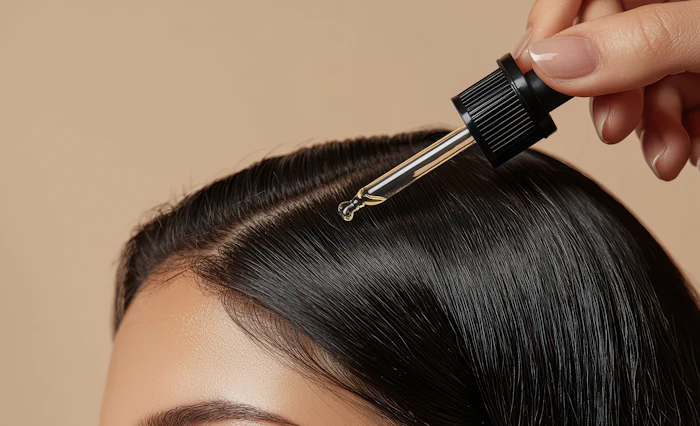
Leave-on Serums and Essences
Leave-on formats are particularly suitable for actives that require sustained contact time, including microbiome-supporting ingredients, peptides, antioxidants and barrier lipids. Compared with short-contact rinse-off systems, they can improve deposition and extend the time available for interaction with the scalp23.
For consumer acceptability, these products often rely on lightweight gel networks or polymeric systems that dry down quickly and avoid a greasy finish.
Non-Aerosol Dry Shampoos
Dry shampoos are evolving from simple oil-absorbing products into hybrid treatment formats. Silica, zeolites and cyclodextrins can help control sebum and odor between washes, while botanical additions may provide a treatment benefit.
This reflects wider interest in waterless care and convenient maintenance products that can fit into daily routines.
Overnight Scalp Masks
Overnight formats allow for richer lipid systems and slow-release actives, making them useful for barrier support and deeper repair. Occlusive application can improve penetration of lipids such as ceramides and support recovery of a compromised stratum corneum24.
These products may be especially relevant for dry, sensitive or irritated scalps that need extended contact time.
Sprayable Gels and Mists
Sprayable gels and mists provide lightweight daily care with a lower sensory footprint than richer formats. They are well suited to prebiotics, botanical antimicrobials, cooling agents and conditioning polymers.
Their appeal lies in convenience and non-greasy performance, which can make them easier for consumers to use consistently.
Hybrid Cleansing/Treatment Formats
Consumers are increasingly looking for gentle cleansing products that also Media at Adobe Stock
These hybrid formats reflect a broader preference for simplified routines that do more with fewer steps.
Formulation Challenges in Next-Generation Scalp Care
Although the science of scalp health has advanced rapidly, translating that knowledge into stable and elegant products remains challenging. Scalp treatments must work in a highly constrained environment that includes dense hair coverage, sebum turnover, sensitivity to residue and the need for delivery at the follicular opening rather than along the hair fiber.
At the same time, many promising actives - including postbiotics, antioxidants, enzymatic regulators and neurosensory ingredients - present formulation challenges such as polarity mismatch, aqueous instability or compatibility issues with surfactants and preservatives. As a result, the next generation of scalp care requires both biological insight and thoughtful vehicle design.
Conclusion
Scalp health has become a multi-dimensional category that extends far beyond traditional anti-dandruff solutions. Advances in microbiome science, lipidomics, neurogenic inflammation and barrier biology are driving a new generation of ingredients and product formats.
As diagnostics and personalized care become more accessible, the direction of the category is likely to favor integrated systems that balance microbial ecology, support barrier function, regulate sebum quality and improve long-term comfort. The most effective future products will probably be multi-mechanistic rather than single-ingredient solutions.
References
- Clavaud C, Jourdain R, Bar-Hen A, Tichit M, Bouchier C, Pouradier F, et al. Dandruff is associated with disequilibrium in the proportion of the major bacterial and fungal populations colonizing the scalp. PLoS One. 2013;8(3)
- Harding CR, Moore AE, Rogers JS, Meldrum H, Scott AE, McGlone FP. Dandruff: a condition characterized by decreased levels of intercellular lipids in scalp stratum corneum and impaired barrier function. Arch Dermatol Res. 2002;294(5):221-230.
- Voegeli R, Rawlings AV, Breternitz M, et al. In vivo measurement of stratum corneum hydration and barrier function. Int J Cosmet Sci. 2007;29(6):385-395.
- Jourdain R, Moga A, Vingler P, El Rawadi C, Pouradier F, Souverain L, Bastien P, Amalric N, Breton L. Exploration of scalp surface lipids reveals squalene peroxide as a potential actor in dandruff condition. Arch Dermatol Res. 2016;308(3):153-163.
- Bíró T, Tóth BI, Marincsák R, et al. TRP channels in the skin: New targets for dermatological therapy? Trends Pharmacol Sci. 2007;28(8):382-389.
- Misery L, Loser K, Ständer S. Sensitive skin and neurogenic inflammation. Exp Dermatol. 2017;26(4):338-344.
- Dawson TL. Malassezia globosa and restricta: Breakthrough understanding of the etiology and treatment of dandruff and seborrheic dermatitis. J Investig Dermatol Symp Proc. 2005;10(3):200-203.
- Ro BI, Dawson TL. The role of sebaceous gland activity and scalp microfloral metabolism in the etiology of seborrheic dermatitis and dandruff. J Investig Dermatol Symp Proc. 2005;10(3):194-197.
- Saxena R, Mittal P, Clavaud C, Dhakan DB, Hegde P, Veeranagaiah MM, Saha S, Souverain L, Roy N, Breton L, Misra N, Sharma VK. Comparison of healthy and dandruff scalp microbiome reveals the role of commensals in scalp health. Front Cell Infect Microbiol. 2018;8:346.
- Picardo M, Ottaviani M, Camera E, Mastrofrancesco A. Sebaceous gland lipids. Dermatoendocrinol. 2009;1(2):68-71.
- Ottaviani M, Camera E, Picardo M. Lipid mediators in acne. Dermatoendocrinol. 2010;2(1):18-20.
- Elias PM. Stratum corneum defensive functions: An integrated view. J Invest Dermatol. 2005;125(2):183-200.
- Fluhr JW, Darlenski R, Surber C. Glycerol and the skin: A holistic approach to its origin and functions. Br J Dermatol. 2008;159(1):23-34.
- Proksch E, Brandner JM, Jensen JM. The skin: An indispensable barrier. Exp Dermatol. 2008;17(12):1063-1072.
- Kim JE, Kim BJ, Kang H. The role of microbiome in atopic dermatitis. Ann Dermatol. 2020;32(6):441-449.
- Nakatsuji T, Kao MC, Zhang L, et al. Sebum free fatty acids enhance the innate immune defense of human sebocytes by upregulating antimicrobial peptides. J Invest Dermatol. 2010;130(4):985-994.
- Park T, Kim HJ, Myeong NR, Lee HG, Kwack I, Lee J, Kim BJ, Sul WJ, An S. Collapse of human scalp microbiome network in dandruff and seborrhoeic dermatitis. Exp Dermatol. 2017;26(9):835-838.
- Denda M, Nakatani M, Ikeyama K, et al. Epidermal keratinocytes as the forefront of the sensory system. Exp Dermatol. 2007;16(3):157-161.
- Troccaz M, Starkenmann C, Niclass Y, et al. The influence of bacterial metabolism on human axillary odour. J R Soc Interface. 2009;6(32):451-460.
- Pan TL, Wang PW, Aljuffali IA, et al. The impact of airborne particulate matter on skin barrier function and skin aging. Int J Mol Sci. 2015;16(4):7918-7931.
- Gueniche A, Benyacoub J, Buetler T, et al. Bifidobacterium longum lysate protects against skin chemical and physical stressors. Exp Dermatol. 2010;19(8)
- Sur R, Nigam A, Grote D, et al. Avenanthramides exhibit anti-inflammatory and anti-itch activity. Arch Dermatol Res. 2008;300(10):569-574.
- Lodén M. The clinical benefit of moisturizers. J Eur Acad Dermatol Venereol. 2005;19(6):672-688.
- Voegeli R, Heiland J, Doppler S, Rawlings AV. Occlusion increases ceramide penetration and accelerates barrier repair. Int J Cosmet Sci. 2015;37(6):636-643