Body care is undergoing a process of “skinification,” with consumers increasingly expecting body moisturizers to deliver benefits traditionally associated with facial skincare, including barrier repair, protection against environmental stress and clinically-proven efficacy. As a result, modern moisturizers must do more than simply increase skin hydration; they need to support the structure and function of the skin barrier while delivering long-lasting and measurable benefits.
Understanding this shift requires a closer look at the skin barrier itself, which plays a fundamental role in maintaining hydration and overall skin health.
The primary role of the epidermis is to act as a barrier that separates the organism's internal environment from external stressors. Within the epidermis, the stratum corneum (SC) functions as the main physical barrier, shielding against chemical, microbial and mechanical threats while also regulating transepidermal water loss (TEWL)1.
The structure of the SC can be compared to a “bricks-and-mortar” model, in which corneocytes are surrounded by a lipid-rich matrix that maintains the skin's water homeostasis. Damage to the SC weakens the skin's barrier function and reduces its hydration2.
Body-Specific Skin Challenges
Body skin presents unique physiological challenges compared with facial skin. Areas such as the lower legs typically exhibit lower sebaceous activity, making them more prone to dryness, while regions exposed to friction, including elbows and knees, often develop a thicker stratum corneum and increased roughness. Aging and hormonal changes, particularly during menopause, can further impair barrier function and hydration, increasing the need for effective moisturization strategies3.
These physiological differences mean that body moisturizers must often address challenges that go beyond simple hydration, including barrier reinforcement, roughness reduction and long-term skin comfort.
Natural Moisturizing Factor: The Skin's Natural Hydration System
The stratum corneum contains its own natural water-binding system known as the Natural Moisturizing Factor (NMF). Found in the corneocytes, NMF is a complex mixture of hygroscopic compounds, including amino acids and their derivatives such as pyrrolidone carboxylic acid (PCA) and urocanic acid, as well as lactate, urea, sugars and various inorganic salts. Together, these molecules represent approximately 20-30% of the dry weight of the stratum corneum and act as highly effective humectants by attracting and retaining water within the skin.
Beyond maintaining hydration, NMF plays an important role in preserving skin flexibility, supporting enzymatic processes involved in desquamation and contributing to overall barrier function. Many NMF components come from the breakdown of filaggrin during the terminal differentiation of keratinocytes, linking skin hydration to epidermal maturation and stratum corneum homeostasis.
NMF levels naturally decline with age and can be further reduced by environmental factors such as UV exposure, low humidity and frequent washing, all of which contribute to dryness, scaling and reduced barrier performance. As a result, moisturizers increasingly incorporate NMF-related ingredients such as PCA, amino acids, lactates and urea to help support the skin's natural hydration mechanisms. Despite the emergence of novel hydrating actives, glycerin remains one of the most widely used and clinically validated humectants because of its strong water-binding capacity, excellent skin compatibility and ability to support long-lasting epidermal hydration4,5.
Classic Moisturizing Ingredients
Effective moisturization relies on restoring and supporting the skin barrier, especially in dry or compromised skin. To achieve this, formulations typically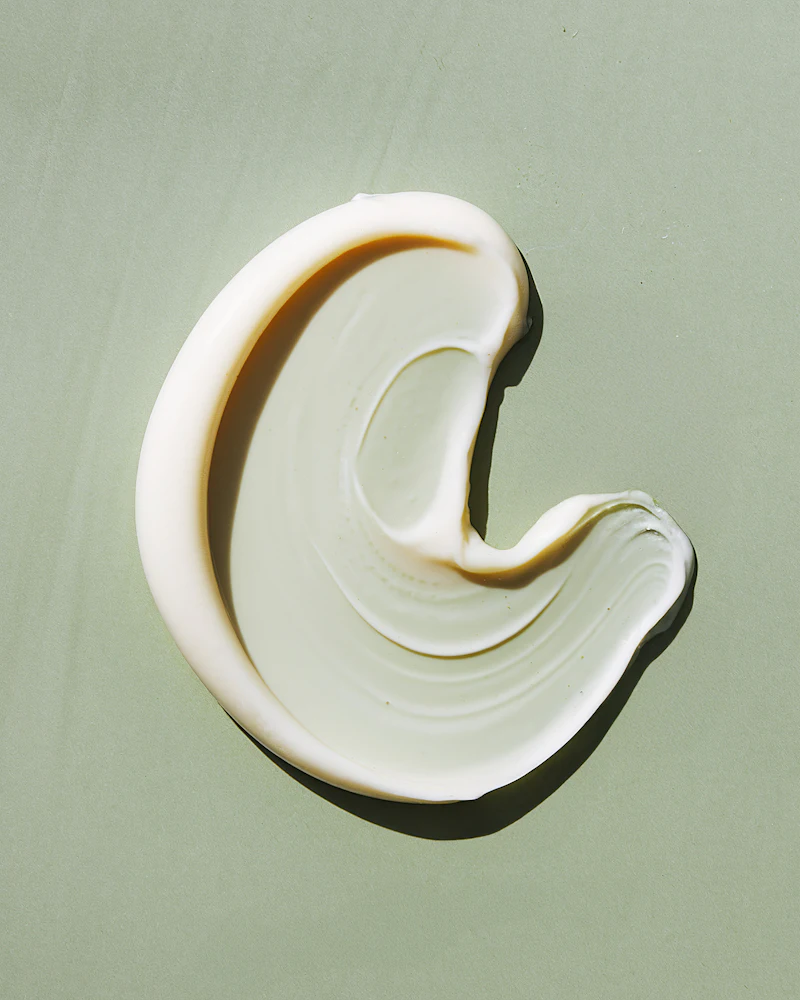 Artist Protap at Adobe Stock
- Humectants attract and retain water within the stratum corneum, increasing surface hydration.
- Occlusive agents slow trans epidermal water loss by forming a protective film that helps the skin retain internal moisture.
- Keratolytic ingredients promote gentle exfoliation by removing dead cells and encouraging renewal, which supports a smoother, healthier barrier.
- Emollients soften and lubricate the skin surface, improving sensory while offering barrier support.
A balanced combination of these four categories is important for both perceived moisturization and clinically measurable improvements. Formulators can choose different chemistries, such as esters, polyols, vegetable oils, organic salts and nitrogen-containing compounds, to design textures, performance and sensory experience. When used synergistically, these ingredient classes enhance hydration, barrier repair and overall skin comfort across a broad range of skincare applications6.
Barrier Repair Technologies
The outermost layer of the skin, often called the skin barrier or moisture barrier, is primarily composed of lipids, approximately 50% ceramides, 25% cholesterol and 10-25% fatty acids.
Ceramides are the skin barrier structural backbone. They are filling the spaces between corneocytes to lock in moisture and block out irritants. Therefore, they are essential for a strong, healthy skin barrier. When ceramide levels drop, due to aging, sun exposure or a weakened barrier, the skin can become dry, dull, irritated or cracked. Replenishing ceramides through body care helps restore barrier function and is beneficial for all skin types, including oily, dry, combination, normal and sensitive skin7,8.
Cholesterol is a natural lipid found in sebum and the stratum corneum, where it forms part of the intercellular lipid matrix and helps maintain barrier integrity and hydration. It keeps the matrix supple and regulates its fluidity, allowing ceramides to organize and perform effectively. When cholesterol levels are low, because of aging, barrier disruption or environmental stress, the skin becomes drier, more rigid and more prone to irritation, while excess can contribute to oiliness. On ingredient labels, it typically appears simply as ‘cholesterol’. It can be sourced from lanolin or synthetic source8,9.
Fatty Acids act as the repair crew. Free fatty acids, particularly linoleic and oleic, help fill in damaged areas of the lipid layers, calm inflammation during barrier stress and support the skin’s own ceramide synthesis8.
Multi-Functional, Long-Lasting Hydration
Next-gen moisturizers are no longer one-dimensional. Many products combine hydration with other benefits, such as anti-ageing properties or sun protection, simplifying consumers' skincare routines.
Hyaluronic acid (HA) is one of the most commonly used ingredients in cosmetic products, particularly for its strong moisturizing properties. In formulations, it helps improve skin hydration but also improve elasticity, leaving the skin softer, smoother and more radiant. HA is a natural ingredient already present in the body. It is a key component of the extracellular matrix, where it supports structural proteins such as collagen and elastin. One of its most significant characteristics is its ability to bind water. It can hold up to 1000 times its own weight, helping to maintain skin hydration and support water transport within the body. These properties make hyaluronic acid a highly effective and popular ingredient in body moisturizers10.
Betaine is used as a multifunctional skin active. Its main benefit is supporting skin hydration by helping regulate water balance within skin cells, which contributes to long-lasting moisturization and reduced dryness. It also helps strengthen the skin barrier by reinforcing tight junctions between skin cells, which improves cohesion and helps reduce TEWL.
Additionally, betaine is known for its osmoprotectant properties, meaning it helps skin cells deal with environmental stress such as dehydration, surfactants or temperature changes. This results in better skin comfort, reduced irritation and improved resilience.
Moreover, betaine gives a better sensory profile in formulations, helping reduce stickiness and improving softness and silky after-feel11.
Ectoin is a natural molecule originally produced by microorganisms living in extreme environments such as salt lakes, deserts and high UV conditions, where they use it to protect themselves and retain water.
In cosmetics, one of ectoin’s key benefits is its strong hydration support. It helps build a water reservoir within the skin, allowing moisture to be stored and maintained over time for long-lasting hydration. It also helps maintain a healthy skin barrier, which further reduces water loss. Also, ectoin helps protect the skin from environmental stress. It supports the skin’s immune defence by protecting cells under UV exposure or external aggressors such as surfactants or pollution. It also contributes to reducing visible signs of skin aging, improving smoothness and skin comfort and overall supporting skin well-being12,13.
Textures & Sensorial Innovation
Moisturizers represent a diverse category of skincare products rather than a uniform solution. They are available in multiple formats, such as creams, lotions and ointments, that differ significantly in texture, composition and functional purpose. Selecting an appropriate moisturizer depends on factors such as existing skincare practices, environmental conditions and specific skin needs.
Formulations may also incorporate targeted active ingredients designed to address particular concerns. For example, moisturizers containing salicylic acid or lactic acid can help smooth rough or uneven skin by promoting gentle exfoliation. Richer formulas may be better suited for very dry or compromised skin, while specialized products exist for conditions characterized by itching, scaling, redness or irritation.
Understanding the distinctions between the main moisturizer formats can support more informed product selection:
- Lotions: Characterized by a fluid, lightweight texture with a relatively high water content. They absorb easily and are generally suitable for a wide range of skin types.
- Creams: Typically richer and more emollient than lotions, with a thicker consistency that provides enhanced nourishment. Creams are often preferred for dry or mature skin or during periods of increased environmental stress such as winter.
- Ointments: The thickest and most occlusive category, often formulated with petrolatum or similar ingredients. Ointments form a protective barrier on the skin’s surface, helping to seal in moisture and support the repair of very dry, chapped or cracked skin14.
More advanced formulation approaches have also been developed, particularly structured emulsions designed to mimic the skin’s natural lipid architecture, like lamellar emulsions. Their layered lipids integrate harmoniously with the stratum corneum, reinforcing its structure. This biomimetic texture supports barrier repair, enhances penetration of ingredients into the upper layers of the skin and improves overall skin comfort13,14.
 Yulia Panova at Adobe Stock
Consumer Demand for Proof
Consumer expectations for product efficacy have evolved, with an increasing demand for scientifically substantiated claims. Even if consumer perception studies remain valuable for assessing subjective attributes such as skin feel and overall satisfaction, they are often no longer considered sufficient on their own. There is a growing need for objective, quantifiable evidence to support product performance such as 24- or 48-hour moisturization.
In this context, epidermal barrier function is commonly assessed using biophysical measurements that reflect both the structure and function of the SC, with skin hydration and TEWL being the most commonly used indicators. Hydration, measured by corneometry, reflects the water content of the outermost layers of the epidermis and provides an indirect indication of barrier integrity. On the other hand, TEWL evaluates the passive movement of water through the SC, where higher values indicate a weakened barrier and increased skin dryness. As a result, TEWL is widely used in dermatological and cosmetic studies as a standard marker of skin barrier performance2.
However, hydration assessment is increasingly moving toward multimodal testing strategies that combine biophysical measurements with imaging and molecular analysis. Advanced techniques, including LC-OCT, Raman spectroscopy and high-resolution skin imaging, provide additional insights into skin structure, hydration status and barrier integrity, and help to connect instrumental findings with visible consumer benefits such as improved smoothness, radiance and reduced flaking. As hydration claims become more sophisticated, these complementary approaches are playing an increasingly important role in product substantiation3.
Conclusion
The skinification of body care is reshaping moisturizer formulation. Traditional humectants, emollients and occlusives remain essential but modern products increasingly combine these technologies with barrier-repair lipids, multifunctional actives and biomimetic systems designed to work in harmony with the skin's natural structure.
As consumer expectations continue to rise, successful body moisturizers will be those that deliver measurable benefits for both skin health and skin comfort. Combining advanced formulation approaches with scientifically substantiated efficacy, they are moving the category beyond hydration alone.
References
- Proksch, E.; Brandner, J. M.; Jensen, J.-M. The Skin: An Indispensable Barrier. Experimental Dermatology 2008, 17 (12), 1063–1072.
- Maldonado Lopez, A. M.; Domicio da Silva Souza, I. A Serum and Cream Moisturization Regimen Outperforms Separate Use in Sustaining Hydration, Reducing TEWL, and Balancing Surface Lipids over an 8-h Study. International Journal of Cosmetic Science 2026.
- Charpentier, A. Skin Hydration Testing in 2026: What’s New, 2026.
- RAWLINGS, A. V.; HARDING, C. R. Moisturization and Skin Barrier Function. DERMATOLOGIC THERAPY; 2004; Vol. 17, pp 43–48. https://doi.org/10.1111/j.1396- 0296.2004.04s1005.x.
- Ingraham, A.; Kang Park, C. NMFs Explained: What They Do for Your Skin and How to Support Them. Live Young Blog [ISDIN].
- Moisturizing agents: How to select the right grade for cosmetics?. SpecialChem. https://www.specialchem.com/cosmetics/guide/moisturizers-selection-guide. Dr Liu, J. What are ceramides?. CeraVe. https://www.cerave.com/skin-smarts/strength-of ceramides/what-are-ceramides.
- Ceramides, Cholesterol & Fatty Acids: The Lipids That Repair Your Skin Barrier. Skn.Coach. https://skn.coach/insights/moisturizer-ingredients-ceramides-cholesterol-fatty acids?utm_source=copilot.com.
- Cholestérol, il est bon… pour la peau ff. Regard sur les cosmétiques. https://www.regard sur-les-cosmetiques.fr/nos-regards/cholesterol-il-est-bon-pour-la-peau/.
- Kibbelaar, H. V. M.; Deblais, A.; Velikov, K. P.; Bonn, D.; Shahidzadeh, N. Stringiness of Hyaluronic Acid Emulsions. International Journal of Cosmetic Science 2021, 43 (4), 458– 465.
- IFF. BETAINE GENENCARE® OSMS BA THE MOISTURIZING OSMOLYTE, 2023. https://www.ulprospector.com/document/viewer/628984?bs=6817&b=377838&st=20&r=e u&ind=personalcare.
- MERCK. RONACARE ECTOIN, 2022. https://www.merckgroup.com/business specifics/performance
- materials/Cosmetics/brochures/Ectoin_Brochure_MERCK_2022.pdf.
- Graf, R.; Anzali, S.; Buenger, J.; Pfluecker, F.; Driller, H. The Multifunctional Role of Ectoine as a Natural Cell Protectant. Clinics in Dermatology 2008, 26 (4), 326–333.
- Dr Sugai, D. Moisturizing 101. CeraVe. https://www.cerave.com/skin-smarts/skincare-tips advice/best-moisturizer-dermatologist-recommended?utm_source=copilot.com.
- LUCAS MEYER. Lamellar Structure Emulsifier Training, 2021.
- SEPPIC. How Lamellar Liquid Crystal Emulsion Can Strengthen Skin Barrier? 2025.