Log In
Register
Facebook icon
LinkedIn icon
Instagram icon
Testing
Animal Alternatives
Efficacy
Method/Process
Microbiology
Saftey/Stability
Sensory
Sun Protection
Tech/Equipment/Services
Testing
Actives
3 Areas of Concern — But Also Strides in Safety: ChemForward Presents 2025 Beauty Ingredient Report Powered by Sephora, Ulta and Other Member Data
The report — powered by data from Sephora, Ulta, The Honest Company, Credo Beauty, Counter, Inolex and Dow — analyzed more than 48,000 products and 1.25 million ingredients, marking a fivefold increase in data since 2023.
Tech/Equipment/Services
[interview] How High-speed AFM Revolutionizes Precision Efficacy Testing: Cosmetic Victories Winner Profile
Actives
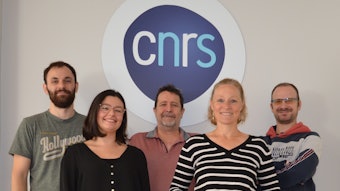
[interview] How Protein Instability Serves as a Biomarker of Aging — Cosmetic Victories Profile with IBGC/CNRS
Latest
Hair Care
Formulating Forum: Antioxidant Strategies for Balancing Acne-prone Skin
This article explores the evolving world of hair conditioning and repair, including prevalent
bonding
claims. It examines what these terms mean, the types of damage being addressed, tests to substantiate these claims and how consumers perceive them.
Event Coverage
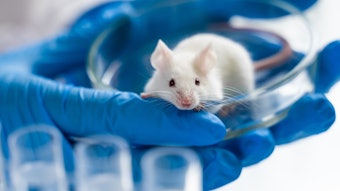
Urgent Action Demanded: Ahead of CPR Revisions, MEPs Rally to Secure EU’s Animal Testing Ban for Cosmetics
The organization is concerned that a misalignment between the CPR and REACH regulations is weakening the cosmetics animal testing ban.
Actives
Does Your Product Belong Among the
C&T Allē Award
Elites? Enter the 2026 Program to Find Out
The
C&T Allē Awards
have a long history of recognizing excellence across the cosmetic landscape. Does your innovation have what it takes to join them? Enter now to find out.
Sponsored
Exploring the impact of climate on formulations
Ever wondered why skincare can feel different in one place compared to another? It's all about the weather, specifically temperature and humidity. Here, Gattefossé explores the climate variation and sensory perception of cosmetic emulsions.
Method/Process
Frizz Factors Revealed: A Novel Approach Linking Humidity, Moisture and Hair Porosity
A simple method is described here to measure frizz formation under low-to-high and high-to-low relative humidity. The results are converted to a frizz ratio and correlated with moisture sorption and hair porosity, as will be shown.
Skin Care
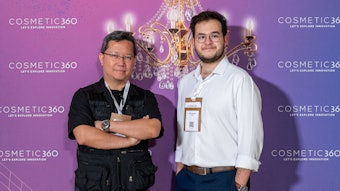
[interview] Empowering Personalized Care with Instant Microbiome Test + Derm-trained AI Advisor — Byome Labs Cosmetic Victories Profile
Personalized beauty continues to grow as innovations emerge to make it possible. For example, Byome Labs, a 2025 Cosmetic Victories finalist, developed a point-of-sale skin microbiome test with derm-trained AI to make product suggestions. Learn more here.
Sensory
Neuroscents: Leveraging the Predictive Brain for Fragrances that ‘Biohack’ Emotion and Cognition
The predictive brain constructs rather than observes product benefits, and imaging can reveal stages of this construction. This understanding was employed to design fragranced products that influence mood, perception and cognition, as demonstrated here.
SPF/Sun
Safety Alert: Sunscreen 'Doping' and Foam Formats Raise Red Flags
Recent regulatory attention highlights both hidden sunscreen actives in cosmetic products, and the legal gray zone of mousse-format sunscreens — prompting calls for clearer labeling and format approval.
Actives
Croda Highlights New Findings in Indian-heritage Consumers for its Ameyezing 4.0 Under-eye Brightener
Visible improvements were reported in 100% of participants after 56 days, with excellent tolerance
Method/Process
[interview] Stanford University Explores How Cosmetics Influence Sensory Activation and Perception — Cosmetic Victories Profile
Stanford University, a finalist in the 2025 Cosmetic Victories competition, partnered with L’Oréal to study how cosmetics activate sensory neurons and shape perception. Here, Stanford graduate researcher Ross Bennett-Kennett, Ph.D., explains.
Microbiology
Niacinamide Platform Delivers Double Duty to Protect Products and Skin
Niacinamide is known for its skin benefits. Here, select ingredients were combined with it and explored for its potential to also protect against contamination. MIC data and challenge testing are presented, supporting the ingredient’s dual functionality.




!['We believe [Byome Derma] will redefine how products are tested, recommended and marketed, moving the industry away from intuition or influence, toward evidence-based personalization.' Pictured: Byome Labs Team](https://img.cosmeticsandtoiletries.com/mindful/allured/workspaces/default/uploads/2025/08/byome-labs-group-photo.AKivj2669s.jpg?auto=format%2Ccompress&crop=focalpoint&fit=crop&fp-x=0.49&fp-y=0.5&fp-z=1&h=191&q=70&w=340)