Log In
Register
Facebook icon
LinkedIn icon
Instagram icon
Research
Literature/Data
Tech Transfer
Methods/Tools
Consumers/Market
Literature/Data
Literature/Data
Centella asiatica
Extracellular Vesicles + Recombinant Growth Factors Shown to Boost Scalp Health, Hair Growth
The formulation combining the two significantly improved hair density, thickness and length while reducing hair loss and sebum production.
Literature/Data
Aveda and Keracol Modify Historical Textile Dye Analysis to Quantify Hair Color Fading
Sensory
The Nose’s Hidden Secrets: Shining a Light on Emerging Research at IFRA UK Fragrance Forum
Latest
Sponsored
Reimagining Biodegradable Color Cosmetics: Eastman Esmeri™ CC1N10
As regulatory pressure on personal care products intensifies and consumer demand for sustainable beauty options grows, brands must deliver exceptional performance alongside verifiable sustainability attributes — such as ingredient biodegradability.
Literature/Data
Spiders, Bees, Snakes and More: Research Highlights Untapped Potential of Animal Venoms in Cosmetics
A new scientific review, to appear in the November 2025 edition of Toxicon, sheds light on an as-yet underexplored frontier for active cosmetic ingredients: animal venoms.
Literature/Data
[interview] Unlocking the Power of Wellbeauty: Insights on Oriflame's Revealing Report
Beauty consumers have taken an introspective turn into emotional well-being, as Oriflame's new Beauty and Well-being Report highlights. To delve deeper into these findings, Nicola Robertson, who led the study for Oriflame, shares her insights.
Hair Care
Stevia-Based Microneedles Present Sweet Solution for Hair Regrowth Treatments
A recent paper in Advanced Healthcare Materials describes a novel approach to combating pattern baldness: using the natural sweetener stevioside to create dissolvable microneedles to deliver minoxidil directly to hair follicles.
Literature/Data
Emotional Well-being is the New Face of Beauty, Oriflame Global Report Reveals
New research commissioned by Oriflame shows women worldwide see beauty routines as essential for self-confidence and mental wellness, not just appearance.
Actives
Is Pterostilbene the New Resveratrol?
Pterostilbene, a stable and bioavailable alternative to resveratrol, is redefining anti-aging skin care. A 28-day trial revealed its ability to boost elasticity, reduce wrinkles and enhance collagen, positioning it to become the next skin care superstar.
Actives
Study Reveals Epigenetics are Behind Vitamin C's Skin Thickening Benefits
The study reveals how vitamin C can counteract age-related skin thinning by activating genes essential for skin cell growth and development.
Actives
Breakthrough Hydrogel Formula Shows Promise for Preventing Chemotherapy-induced Hair Loss
The temperature-responsive hydrogel incorporates lidocaine and adrenalone as active compounds within a water-absorbing matrix. This formulation restricts blood flow to the scalp, preventing chemotherapy from reaching hair follicles.
Skin Care
The Skin and Gut Connection
The skin, the body’s largest and most visible organ, is a fascinating entity—a living tapestry that not only reflects our external environment but also demonstrates the intricate functions within.
Actives
Male Skin Under Pressure: Biology, Blades and the Rise of Nanotech Solutions
Demand for male skin care is rising, driven in part by its unique needs. This review compares male vs. female skin and looks to nanotechnology to enhance the delivery of actives, increase moisture and UV protection, and improve the stability of formulas.
Literature/Data
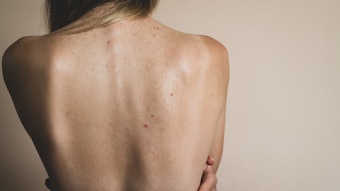
Cracking the Code on Body Acne: What Makes It Different and How to Tackle It
While acne affects people of all ages and ethnicities, most research focuses on the face, leaving acne on the chest, back and shoulder less understood.