Cosmetic chemists must be concerned with formulating an emulsion that acts as a delivery system for beneficial ingredients while being safe, stable and, need I mention, cost-effective (cheap). This article discusses those ingredients that go into emulsions and why they are used.
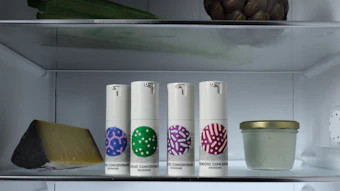
To most consumers, cosmetic emulsions are just “stuff” that comes in tubes, jars, pumps or bottles intended to make the consumer look, feel or smell better, but usually costing too much. The claims on the front of the package often promise miracles – and they do this very cleverly, I must add!
Consumers often don’t understand that those words are used by marketers to ensure that the U.S. FDA (Food and Drug Administration) leaves the manufacturer alone. Greeted with a long list of totally unpronounceable “chemicals,” consumers search for the ingredients reported to have benefits. Among these “beneficial ” ingredients are aloe, vitamins, minerals, jojoba, plant extracts, tea, things from the sea, and others from an endless list.
Article Download: Formulating Cosmetic Emulsions: A Beginner’s Guide
Download the complete article.