Log In
Register
Facebook icon
LinkedIn icon
Instagram icon
Formulas/Products
Formulating Basics
Anti-aging/Face
AP/Deodorant
Bath/Shower
Color Cosmetics
Hair Care
Nutricosmetics
Oral Care
Skin Care
Sun Care
Formulas/Products
Safety/Stability
Unilever Pays $2 M to Resolve Suave Aerosol Benzene Suit
The settlement resolves claims of benzene contamination in the Suave 24-hr Protection Powder Aerosol Antiperspirant and Fresh Aerosol Antiperspirant.
Anti-aging/Face
Beiersdorf Pairs Glycation Inhibitor with CoQ10 in its Latest Nivea Q10 Launch
Event Coverage
Microbiome, Inside-out Beauty Take the Stage at NY SCC Suppliers' Day
Latest
Sponsored
Sustainable Actives from ICSC’s Certified Precision Climate Farming
ICSC offers a range of sustainable active ingredients produced from plants grown in certified Precision Climate Farming facility in Denmark with zero chemicals, optimized level of actives, extracted with Greener Technology for efficacy and stability.
Companies
MetaNovas Earns Accolades in L'Oréal's North Asia Big Bang Beauty Tech Program - This Webinar Shows Why
The Big Bang Beauty accolade underscores MetaNovas' AI-driven approach to integrating scientific rigor from pharmaceutical development into the consumer health sphere. An upcoming webinar will demonstrate the company's ingenuity. Register now; it's free.
Event Coverage
9 Top Trends + 30 Beauty Insights from in-cosmetics Global 2024
Nearly 200 new launches were on display at in-cosmetics Global, held April 16-18, 2024, in Paris. Here, we've captured some of the top trends we spotted — but this is merely a sampling.
Actives
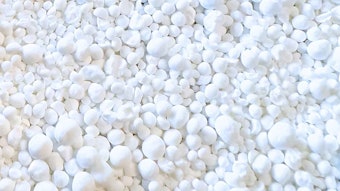
Uviva to Reveal Novel Eclipse G1 Granules to Simplify ZnO Formulating
During in-cosmetics Global, to be held April 16-18, 2024, in Paris, Uviva Technologies will unveil a dust-free, free-flowing ZnO material designed to simplify formulation: Eclipse G1 Granules.
Skin Care
Croda's Emotional Synesthesia Formula Collection with Tranformative Textures and Vegan Alternatives
A selection of the formulas contain vegan alternatives as well as other environmentally conscious ingredients that aim to match trends while maintaining quality.
Audio
[podcast] University of Cincinnati Presents Fragrance Lab Course
In this sponsored podcast, K.P. Ananth, Ph.D., and Erika Nomeland, fragrance consultant and professor for the Fragrance Lab course at the University of Cincinnati, discuss the latest course coming to the university.
Consumers/Market
Trending: Neon Lashes, Florence by Mills, Makeup AR.com, 2000s Makeup and More
Our weekly Consumer Pulse on the socials uncovers insights in cosmetic searches. Now trending: Florency Cosmetícos, Florence by Mills, Makeup AR.com, Makeup-ar.com face shape, 2000s makeup, lion's mane and collagen supplements, sock waves and neon lashes.
Formulating Basics
Label Challenge Answer: Simple Kind to Skin Moisturizing Facial Wash
Consumers/Market
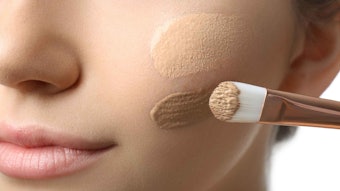
Trending: Makeup by Mario Lip Plumper, Suede Lips, Pink Concealer, Vegan/Halal and More
Our Consumer Pulse report uncovers trends in consumer searches related to beauty. Now trending: Makeup by Mario lip plumper, Gucci Westman suede lips, Easter makeup, Brooke Monk, vegan/halal IBA Cosmetics, kojic acid face wash, pink/brow concealers, etc.
Regional
How Cyclic Silicone and Microplastic Bans Impact Color Cosmetic Formulating
Cyclic silicones and microplastics face bans under REACH but both contribute to the aesthetics and performance of color cosmetics. This article describes these bans and what replacing them means for color cosmetic formulating.
Formulating Basics
Siltech Rolls Out High-performance Silicone Formulas for in-cosmetics 2024
The premium functional and aesthetic benefits of the sunscreen, color, skin care, makeup remover and shampoo bar formulas result from multiple Siltech ingredients.