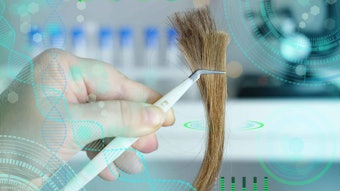
For manufacturers wanting to differentiate their products and substantiate their claims, texture analysis is a valuable tool. Scientific texture analysis provides quantifiable, repeatable and accurate data on the physical properties of food, cosmetic, pharmaceutical and chemical products. It is now an established procedure in research and a valuable tool in the quest for improved quality control methods. This article describes the use of texture analysis to substantiate claims in hair care by testing treated hair samples.
Equipment for Texture Analysis
In cosmetic applications, texture is an important attribute that is sensed by the hands, lips, skin, hair and scalp. It encompasses the product’s feel, such as the hardness of a soap bar. It also encompasses that product’s effectiveness, such as the ability of a conditioner to soften hair. Texture affects processing and handling, and influences buying habits and consumer acceptance of products.
Texture traditionally has been assessed, or analyzed, through human sensory analysis: smell, sight, taste, sound and touch. But these methods are subject to wide variability, even when using trained assessors. The use of instruments to measure texture defines and improves controlled conditions and enhances test accuracy, quantification and repeatability.