Log In/Register
Facebook icon
LinkedIn icon
Instagram icon
Testing
Animal Alternatives
Efficacy
Method/Process
Microbiology
Saftey/Stability
Sensory
Sun Protection
Tech/Equipment/Services
Testing
Animal Alternatives
European Commission To Accelerate Transition Away from Animal Testing in Chemical Safety Assessments
“Today is a good day for animals and shows that Europe cares,” said Jessika Roswall, Commissioner for Environment, Water Resilience and a Competitive Circular Economy.
Featured
Anti-aging/Face
Haut.AI CEO on AI, Skin Intelligence, and the Next Phase of Skincare Personalization
From SkinGPT simulations to AI-driven clinical studies, Haut.AI’s CEO explains how generative AI is redefining how ingredient efficacy is demonstrated and experienced.
Sponsored
Recharge Skin in the Digital Age: Rethinking Longevity with SkinCharge CLR™
As digital lifestyles reshape daily habits, skin aging is increasingly influenced by prolonged screen exposure. SkinCharge CLR™ introduces a new approach to longevity by supporting skin resilience, comfort and appearance in an always-on world.
Read the latest issue
June 2026
Top Headlines
Safety/Stability
Is Your NPD Testing Keeping Pace With Cosmetic Innovation?
Method/Process
The Predictive Formulation Era Arrives as L’Oréal Brings Nvidia Alchemi AI into the Lab
Sponsored
Recharge Skin in the Digital Age: Rethinking Longevity with SkinCharge CLR™
Methods/Tools
How In silico Innovation is Transforming Cosmetic Ingredient Discovery and Development
Latest
Sponsored
Preservation, Reimagined: Hybrid Antimicrobial Strategies for Safer, More Natural, Skin‑Protective Personal Care Products
Nature-aligned boosters transform preservation from necessity into value-adding benefit.
Method/Process
Shiseido Develops AI-Based System to Assess Ingredient Biodegradability, Safety Information
This development reflects the company’s goals to integrate digital transformation with research expertise.
Event Coverage
Which Cosmetic Devices, Tech and Test Methods/Tools Will Stand Up to the 2026
C&T Allē Awards
Challenge?
Whether it’s enhancing sustainability, improving skin care accessibility or refining product testing, these finalists are shaping a smarter, more inclusive, and forward-thinking future for the industry.
Balancing/Soothing
Sea Buckthorn to Calm Oxi-Inflammatory Assault in Sensitive Skin
A sea buckthorn leaf extract was developed to calm the oxi-inflammatory environment induced by exposome assaults, to protect epidermal lipids and to soothe sensitive skin. A model mimicking lipoperoxidation in the epidermis was used to assess its effects.
Safety
Beauty Under Fire: Why 2026 Will Be a Pivotal Year for Consumer Safety and Environmental Accountability
Recalls highlight the global push for transparency and safety in the beauty industry, as regulators and brands work to protect consumers from harmful ingredients and misleading claims. Keep reading for the latest regulatory updates.
Event Coverage
Symrise Launches Digital CO2 Tracker, Champions Bioeconomy
Symrise recently reinforced its commitment to sustainability by launching Houston, a greenhouse gas-tracking platform developed with CO2 AI to measure carbon footprints in real-time. The company also chaired the Sustainable Business Bioeconomy Group.
Sun Protection
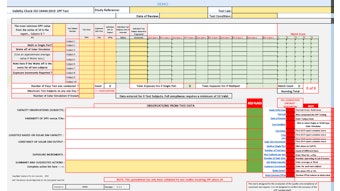
SciPharm Unveils Audit Kit for Sunscreen Test Report Evaluation
The audit kit is a three-part solution tailored to ensure accuracy and adherence to international testing standards.
Companies
NSL Analytical Services Acquires Rocky Mountain Testing Solutions, Strenghtens Environmental Test Services
By combining NSL's expertise in materials with RMTS’s proficiency in environmental stress testing, customers will now have access to a broader spectrum of verification services under one umbrella.
Skin Care
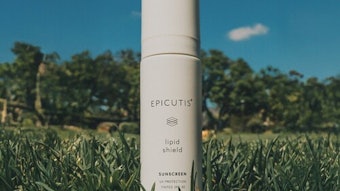
Epicutis' Lipid Shield SPF 30 Achieves EWG Verified Status
Epicutis earned the EWG verified mark for its Lipid Shield SPF 30 infused with a skin-loving botanical complex.
Safety
FDA Withdraws Rule on Testing for Asbestos in Talc-Based Cosmetics
The U.S. Food and Drug Administration has announced it will withdraw its proposed rule to establish approved testing methods for detecting and identifying cancer-causing asbestos in talc-containing cosmetics.
Tech/Equipment
StellarNet Introduces StellarScope AM/PA Analyzer for Advanced Particle Analysis
The device enables in-house, real-time analysis of trace particles in products like creams, powders and raw materials, reducing reliance on outsourced lab testing.
Method/Process
3 Anti-aging Discoveries: InnCoCells' Screening Collab Uncovers Sustainable Plant Extracts with Proven Benefits
The EU-funded InnCoCells project, a €7.9 million initiative spanning 4.5 years and 17 partners across 11 countries, represents the most comprehensive exploration of plant-derived cosmetic ingredients to date, according to project leaders.