Log In/Register
Facebook icon
LinkedIn icon
Instagram icon
Regulations
Claims/Labeling
Organic/COSMOS
Safety
SPF/Sun
Regional
Claims/Labeling
Claims/Labeling
Industry Insight: Exploring the Promise of Neurocosmetics
This article discusses what formulators should know about neurocosmetics and how they can be applied to address consumer demand and regulatory considerations.
Featured
Sponsored
Recharge Skin in the Digital Age: Rethinking Longevity with SkinCharge CLR™
As digital lifestyles reshape daily habits, skin aging is increasingly influenced by prolonged screen exposure. SkinCharge CLR™ introduces a new approach to longevity by supporting skin resilience, comfort and appearance in an always-on world.
Eco/Sustainable
Zero-Waste Beauty is Making Waves: Upcycled Ingredients, Biofermentation, High-Concentration Formulas and More
Industry experts give their thoughts on technology and potential in the zero-waste beauty space.
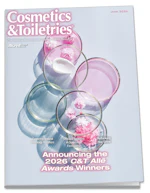
Read the latest issue
June 2026
Top Headlines
Safety
Beauty Under Fire: Why 2026 Will Be a Pivotal Year for Consumer Safety and Environmental Accountability
Safety
[video] Ensuring Safety, Efficacy and Compliance of Hyper-Personalized Cosmetics
Sponsored
NZ, SUSTAINABLE BIOACTIVE TOTAROL: UNMATCHED EFFICACY FOR SKINCARE & BEYOND
Claims/Labeling
Regulatory Alerts: L'Oréal, La Roche-Posay, Edgewell, Hawaiian Tropic, Sun Bum and Colgate Suits; Australian Microbead Recalls; and More
Latest
Regional
Asia-Pacific Regulatory Update: IECIC Changes, Test Methods, New Ingredients Guidance, Labeling, Restrictions and More
Asia-Pacific saw major cosmetic regulatory updates in mid-2025, including China's IECIC reforms, Macao's mercury ban and Taiwan's spray cosmetic labeling. ASEAN also gave ingredient updates and Vietnam streamlined its processes. Following is an overview.
Sponsored
Optimizing Texture & Stability with JD Jojoba Esters – Get a Free Sample
Refine skin feel, structure, and hydration with JD Jojoba Esters. Access the technical sheet and request a free sample to explore the full formulation potential.
Hair Care
Testing Tactics: Decoding Repair and Conditioning Claims to Deliver Real Results in Hair
This article explores the evolving world of hair conditioning and repair, including prevalent
bonding
claims. It examines what these terms mean, the types of damage being addressed, tests to substantiate these claims and how consumers perceive them.
Regional
Asia-Pacific Regulatory Update: Safety and Testing Updates, Fragrance and Toothpaste Labeling, Ingredient Restrictions and More
In 2025, the Asia-Pacific region saw major cosmetic regulatory updates: China's new test methods and ingredient data; Taiwan's fragrance labeling mandate; Japan's tighter ingredient claims; and more. Following is a recap.
Consumers/Market
Next in Skin – Valuing Beauty for Well-being, A Discussion
Beauty is in a strange place. As this Q&A shows, while we encourage confidence and self-expression, this is at odds with biology, culture and status. This delicate interplay is important to consider since we shape the very well-being of our consumers.
Regional
European Regulatory Update: Cosmetic Ingredient Changes Coming in 2025-2026
This article looks to changes in 2025-2026 to the status of ingredients in the EU and UK. Examples include nanomaterial and UV filter bans/restrictions, limits on actives, labeling formaldehyde-releasing preservatives and allergens, ecodesign and others.
Safety
Legal Briefs: 18 Product Alerts in Europe, J&J Ups Talc Offer $1.1 B, Tattoo Pigment Recall, Coppertone Class Action Dropped
This legal briefing includes 18 product citations in Europe for fragrance allergens/prohibited substances; J&J's raised talc settlement offer; a tattoo pigment recalled for microbe contamination; and a dropped class action against Coppertone.
Claims/Labeling
[interview] Big Lots Faces Lawsuit for 'Reef-conscious' Sunscreen Allegedly Harmful to Reefs
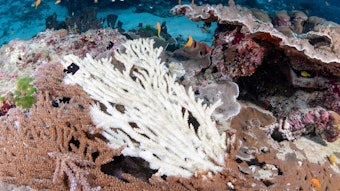
The company is currently facing a class action lawsuit over its Sound Body sunscreen that contains ingredients alleged to harm coral reefs — despite the products being advertised as “reef conscious.”
Claims/Labeling
Are Reef Safe Claims a Gimmick? Big Lots Sunscreen Lawsuit, Hawaii Ingredient Bans, TikTok Misinformation
Sunscreens are a hot topic all across the industry, garnering 1.4 million posts on TikTok and 4.2 million posts on Instagram under #sunscreen.
Claims/Labeling
The SHOP SAFE Act of 2024 Seeks to Tackle Beauty's Multi-billion-dollar Counterfeiting Problem: PCPC
Led by Reps. Darrell Issa (CA-48), Jerrold Nadler (NY-12), Ben Cline (VA-06) and Hank Johnson (GA-04), the act addresses many concerns brands have about e-commerce platforms offering questionable beauty products.
Claims/Labeling
BBB National Programs’ National Advertising Division, Prompted by P&G, Calls Out Unilever's Degree Advanced Deodorant Claims
The BBB National Programs’ National Advertising Division called on Unilever to discontinue or modify claims suggesting its Degree Advanced Antiperspirant prevents sweat and sweat marks throughout intense exercise. P&G brought forth the challenge.
Eco/Sustainable
Walmart, Target Flagged for 'Deceptive' Reef-friendly Sunscreen Claims
Walmart and Target have both been hit with proposed class actions over "reef friendly" sunscreen claims due the their organic UV filters, consumer perception and fluctuating evidence over coral bleaching. What direction should formulators take?