Log In/Register
Facebook icon
LinkedIn icon
Instagram icon
Research
Literature/Data
Tech Transfer
Methods/Tools
Consumers/Market
Literature/Data
Literature/Data
Traditional Chinese Medicinal Root Could Combat Hair Loss, Says New Study
The root works by blocking harmful hormones, activating hair-growth signals, protecting follicles and boosting blood flow to the scalp.
Featured
Sponsored
NZ, SUSTAINABLE BIOACTIVE TOTAROL: UNMATCHED EFFICACY FOR SKINCARE & BEYOND
Hyperganic is the world leader in Bioactive Totarol innovation. As the sole global producer of this remarkable compound, the company has pioneered its extraction process, advanced molecular enhancement, and established a continuous R&D programme — all built on a strong commitment to sustainability through a fully circular economy business model.
Literature/Data
Trust as an Invisible Asset: Four Keys to Building High-Impact Partnerships in Joint Development
This framework functions as a holistic trust-building system designed to convert relational capital into a high-performance business asset.
Read the latest issue
June 2026
Top Headlines
Rheology/Thickener
Formulating Forum: Exploring Natural Rheology Modifiers for Sustainable Cosmetic Systems
Sponsored
NZ, SUSTAINABLE BIOACTIVE TOTAROL: UNMATCHED EFFICACY FOR SKINCARE & BEYOND
Methods/Tools
Jellyfish Bycatch Could be Source of High-Quality Collagen, Says New Research
Literature/Data
Study: Microneedling With Exosomes Shows Benefits Across Multiple Skin Conditions
Latest
Claims/Labeling
Industry Insight: Exploring the Promise of Neurocosmetics
This article discusses what formulators should know about neurocosmetics and how they can be applied to address consumer demand and regulatory considerations.
Skin Care
Unlocking the Mind-Skin Connection for Stress-Smart Innovation in Neurocosmetics
The future of "stress-smart" skincare lies in developing products that support the skin’s stress-responsive biology across multiple pathways.
Literature/Data
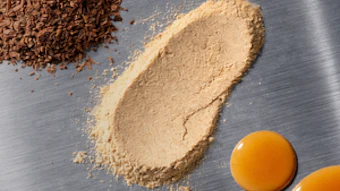
Comprehensive Benefits of Peony Root Extract for Even-toned and Radiant Skin through AGEs Control
The extract addresses the three primary contributors to skin dullness: brown tone, black tone, and gray tone.
Sponsored
Skin vs. Climate Chaos: Building Resilience in Real Time
As climate instability reshapes skin behavior, beauty innovation is entering a new era. Adaptive skincare is evolving to help skin not just protect itself but thrive in a constantly changing world. Discover Gattefossé’s approach in the field of bioactives and sensorial functional ingredients.
Literature/Data
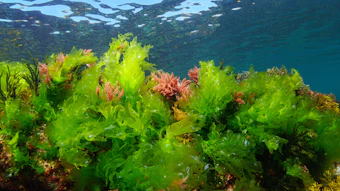
New Study Investigates Potential for Sea Lettuce as Natural Anti-Aging Ingredient
High levels of phenolics and flavonoids contributed to anti-melanogenesis activity and collagen biosynthesis.
Literature/Data
Decoding Beauty Breakthroughs: Shiseido Files Patent on Psychosomatic Skin Analysis During Menstrual Cycle
Literature/Data
New Study Shows Antioxidant-Rich Synbiotic Supplements Help Improve Skin Health, Photoaging
Synbiotics are defined as supplements composed of probiotics and prebiotics that can work synergistically to benefit the host.
Literature/Data
New Research Shows Links Between Sugar Exposure and Skin Cell Aging
Sugar-induced glycation can lead to inflammation and cellular senescence, according to new study.
Literature/Data
New Menopause Study Shows Skin Quality Improvement With Restylane Skinboosters and Sculptra
Galderma IITs show Sculptra and Restylane benefits for menopause and weight-loss skin changes.
Companies
L’Oréal, Institut Pasteur Announce Partnership to Advance Skin Health Science
The strategic partnership will bring together experts in immunology, microbiology and beauty science to explore the role of skin health in health management.
Literature/Data
Halting Premature Sking Aging by Improving Emotional Resilience: An Innovative
Lactobacillus
Extract as a Neuro-cosmetic Ingredient
This article introduces an innovative
Lactobacillus rhamnosus GG
postbiotic as a neuro-cosmetic ingredient designed to counter stress-related premature skin aging by improving emotional resilience and overall well-being.
Actives
Editor's Note - New Horizons: Food, Sustainable Beauty and the Next Chapter
This issue celebrates the intersection of sustainability, innovation and holistic beauty.