Log In/Register
Facebook icon
LinkedIn icon
Instagram icon
Research
Literature/Data
Tech Transfer
Methods/Tools
Consumers/Market
Research
Literature/Data
Traditional Chinese Medicinal Root Could Combat Hair Loss, Says New Study
The root works by blocking harmful hormones, activating hair-growth signals, protecting follicles and boosting blood flow to the scalp.
Featured
News
Tuskegee University Introduces Cosmetic Science Program
“We are building a pathway for students who will widen the pipeline of scientists, entrepreneurs and executives who understand both the science and cultural relevance of the products they create.”
Sponsored
Preservation, Reimagined: Hybrid Antimicrobial Strategies for Safer, More Natural, Skin‑Protective Personal Care Products
Nature-aligned boosters transform preservation from necessity into value-adding benefit.
Read the latest issue
June 2026
Top Headlines
Cosmetic Ingredients
Editor's Note: Reframing the Question
Literature/Data
Trust as an Invisible Asset: Four Keys to Building High-Impact Partnerships in Joint Development
Sponsored
NZ, SUSTAINABLE BIOACTIVE TOTAROL: UNMATCHED EFFICACY FOR SKINCARE & BEYOND
Methods/Tools
Shea Butter Submicroemulsion for Transparent Silicone-free, Sulfate-free Conditioning Shampoos
Latest
Hair Care
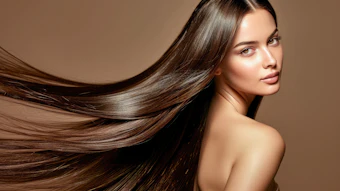
Rethinking Hair Shine: Why Gloss Is a Structural Optical Property, Not a Surface Coating
A perspective on where hair shine science may be heading next.
Sponsored
Recharge Skin in the Digital Age: Rethinking Longevity with SkinCharge CLR™
As digital lifestyles reshape daily habits, skin aging is increasingly influenced by prolonged screen exposure. SkinCharge CLR™ introduces a new approach to longevity by supporting skin resilience, comfort and appearance in an always-on world.
Methods/Tools
Jellyfish Bycatch Could be Source of High-Quality Collagen, Says New Research
Jellyfish bycatch is the accidental capture or entanglement of jellyfish in commercial fishing gear.
Literature/Data
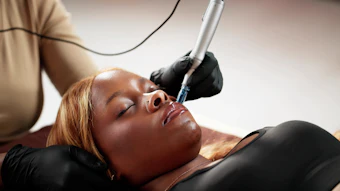
Study: Microneedling With Exosomes Shows Benefits Across Multiple Skin Conditions
The systematic review spanned eight studies and offers one of the first comprehensive evaluations of microneedling.
Claims/Labeling
Industry Insight: Exploring the Promise of Neurocosmetics
This article discusses what formulators should know about neurocosmetics and how they can be applied to address consumer demand and regulatory considerations.
Methods/Tools
Evaluation of Perception Through Fashion and Food Adjacencies for the Cosmetics Industry
Cross-industry approach using projective testing can help spark innovation in cosmetics and personal care.
Skin Care
Unlocking the Mind-Skin Connection for Stress-Smart Innovation in Neurocosmetics
The future of "stress-smart" skincare lies in developing products that support the skin’s stress-responsive biology across multiple pathways.
Literature/Data
Comprehensive Benefits of Peony Root Extract for Even-toned and Radiant Skin through AGEs Control
The extract addresses the three primary contributors to skin dullness: brown tone, black tone, and gray tone.
Cosmetic Ingredients
Editor's Note: Bienvenue à
C&T
Our new editor Emily Little describes her first major cosmetics show and some of the wellness innovations in this month's issue.
Actives
Targeting Skin Longevity with Blue-Biotech
Blue-biotech extremophile alga extract as a new natural alternative to hyaluronic acid and animal-derived PDRNs.
Literature/Data
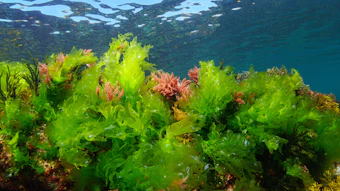
New Study Investigates Potential for Sea Lettuce as Natural Anti-Aging Ingredient
High levels of phenolics and flavonoids contributed to anti-melanogenesis activity and collagen biosynthesis.
Literature/Data
Decoding Beauty Breakthroughs: Shiseido Files Patent on Psychosomatic Skin Analysis During Menstrual Cycle