Log In/Register
Facebook icon
LinkedIn icon
Instagram icon
Research
Literature/Data
Tech Transfer
Methods/Tools
Consumers/Market
Research
Literature/Data
Traditional Chinese Medicinal Root Could Combat Hair Loss, Says New Study
The root works by blocking harmful hormones, activating hair-growth signals, protecting follicles and boosting blood flow to the scalp.
Featured
Sponsored
Skin vs. Climate Chaos: Building Resilience in Real Time
As climate instability reshapes skin behavior, beauty innovation is entering a new era. Adaptive skincare is evolving to help skin not just protect itself but thrive in a constantly changing world. Discover Gattefossé’s approach in the field of bioactives and sensorial functional ingredients.
Hair Care
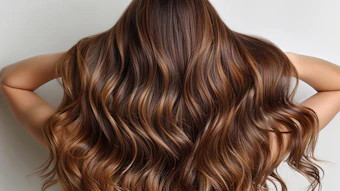
Gloss Over Time: Hair Shine as a Slow Aging Signal from 25 to 55
While both younger and mature consumers desire the same visual endpoint of shiny hair, the biological, chemical and strategic paths to achieve it diverge due to aging.
Read the latest issue
June 2026
Top Headlines
Cosmetic Ingredients
Editor's Note: Reframing the Question
Sponsored
Preservation, Reimagined: Hybrid Antimicrobial Strategies for Safer, More Natural, Skin‑Protective Personal Care Products
Rheology/Thickener
Formulating Forum: Exploring Natural Rheology Modifiers for Sustainable Cosmetic Systems
Methods/Tools
Shea Butter Submicroemulsion for Transparent Silicone-free, Sulfate-free Conditioning Shampoos
Latest
Sponsored
Preservation, Reimagined: Hybrid Antimicrobial Strategies for Safer, More Natural, Skin‑Protective Personal Care Products
Nature-aligned boosters transform preservation from necessity into value-adding benefit.
Consumers/Market
Eastman Releases New Global Research on Sustainability Trends, Formulation Priorities for Skin Care
The report includes results from surveys with both formulators and consumers across 11 countries.
Methods/Tools
Jellyfish Bycatch Could be Source of High-Quality Collagen, Says New Research
Jellyfish bycatch is the accidental capture or entanglement of jellyfish in commercial fishing gear.
Literature/Data
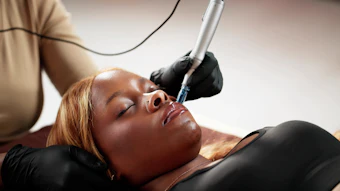
Study: Microneedling With Exosomes Shows Benefits Across Multiple Skin Conditions
The systematic review spanned eight studies and offers one of the first comprehensive evaluations of microneedling.
Claims/Labeling
Industry Insight: Exploring the Promise of Neurocosmetics
This article discusses what formulators should know about neurocosmetics and how they can be applied to address consumer demand and regulatory considerations.
Methods/Tools
Evaluation of Perception Through Fashion and Food Adjacencies for the Cosmetics Industry
Cross-industry approach using projective testing can help spark innovation in cosmetics and personal care.
Skin Care
Unlocking the Mind-Skin Connection for Stress-Smart Innovation in Neurocosmetics
The future of "stress-smart" skincare lies in developing products that support the skin’s stress-responsive biology across multiple pathways.
Literature/Data
Comprehensive Benefits of Peony Root Extract for Even-toned and Radiant Skin through AGEs Control
The extract addresses the three primary contributors to skin dullness: brown tone, black tone, and gray tone.
Cosmetic Ingredients
Editor's Note: Bienvenue à
C&T
Our new editor Emily Little describes her first major cosmetics show and some of the wellness innovations in this month's issue.
Actives
Targeting Skin Longevity with Blue-Biotech
Blue-biotech extremophile alga extract as a new natural alternative to hyaluronic acid and animal-derived PDRNs.
Literature/Data
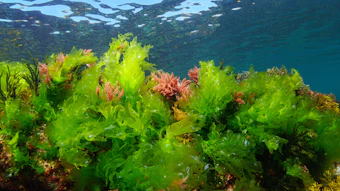
New Study Investigates Potential for Sea Lettuce as Natural Anti-Aging Ingredient
High levels of phenolics and flavonoids contributed to anti-melanogenesis activity and collagen biosynthesis.
Literature/Data
Decoding Beauty Breakthroughs: Shiseido Files Patent on Psychosomatic Skin Analysis During Menstrual Cycle