Log In/Register
Facebook icon
LinkedIn icon
Instagram icon
Regulations
Claims/Labeling
Organic/COSMOS
Safety
SPF/Sun
Regional
Regulations
Companies
CTPA, Forum for the Future Launch Sustainability Handbook to Support Cosmetics and Personal Care Companies
The handbook is intended to help cosmetics and personal care companies better understand sustainability challenges.
Featured
Sponsored
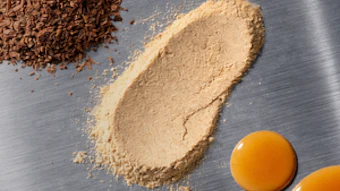
NZ, SUSTAINABLE BIOACTIVE TOTAROL: UNMATCHED EFFICACY FOR SKINCARE & BEYOND
Hyperganic is the world leader in Bioactive Totarol innovation. As the sole global producer of this remarkable compound, the company has pioneered its extraction process, advanced molecular enhancement, and established a continuous R&D programme — all built on a strong commitment to sustainability through a fully circular economy business model.
Claims/Labeling
Industry Insight: Exploring the Promise of Neurocosmetics
This article discusses what formulators should know about neurocosmetics and how they can be applied to address consumer demand and regulatory considerations.
Read the latest issue
June 2026
Top Headlines
Skin Care
Unlocking the Mind-Skin Connection for Stress-Smart Innovation in Neurocosmetics
Sponsored
Senolytic evolution: clear – fill – revive
Eco/Sustainable
Biotech in Beauty: Zero Waste Beauty Is Growing Up
Eco/Sustainable
Zero-Waste Beauty is Making Waves: Upcycled Ingredients, Biofermentation, High-Concentration Formulas and More
Latest
Regional
EU/UK Regulatory Update: 2025 Recap of Key Changes for Cosmetics — Wastewater, Siloxanes, TPO, Microplastics and More
This article provides an overview of 2025's key cosmetic regulatory developments in the UK and EU. Highlights include updates on SPF tests, EU cosmetic regulation review, micropollutants, siloxanes, TPO bans, microplastics, UK REACH and packaging EPR.
Regional
EU Regulations to Shake Up Beauty as of May 2026
The Omnibus Regulation amends Regulation (EC) No. 1223/2009 and will take effect on May 1, 2026. It focuses on the use of substances classified as CMRs.
Sponsored
Recharge Skin in the Digital Age: Rethinking Longevity with SkinCharge CLR™
As digital lifestyles reshape daily habits, skin aging is increasingly influenced by prolonged screen exposure. SkinCharge CLR™ introduces a new approach to longevity by supporting skin resilience, comfort and appearance in an always-on world.
Safety
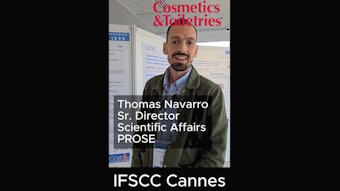
[video] Ensuring Safety, Efficacy and Compliance of Hyper-Personalized Cosmetics
During the IFSCC 2025 Congress, Thomas Navarro, of Prose, presented the poster, "A Comprehensive Methodology for Ensuring the Safety, Quality, Efficacy and Regulatory Compliance of Hyper-personalized Cosmetics." Watch now to learn more.
Safety
FDA in Action: PFAS Data Gaps, MoCRA Recall Guidance, Warning Letters/Recalls and New Hair Growth Pill Reaches Phase III Trials
The U.S. FDA has been busy in recent months, reviewing PFAS in cosmetics, proposing MoCRA-conferred recall guidance, enforcing compliance through warning letters and recalls, and advancing trials for a new hair loss treatment. Following is an overview.
Literature/Data
C&T
's Greatest Hits of 2025: What Content You Loved and Why
This report counts down the ten most-read articles and reports from
C&T
over the past year (2025). As we explore the content that resonated with readers, we also offer insights about why it may have drawn interest — see if you agree.
Companies
PCR Responds to Allegations of Misleading SPF Reports, Unethical Practices
PCR has released a statement responding to recent headlines on "SPF retesting, media reports and misinformation," citing flaws in re-testing, low-quality raw materials and insufficient credentials for the industry expert cited in our reports.
SPF/Sun
FDA Endorses Bemotrizinol Amid Push for Modernized OTC and Sunscreen Standards
The U.S. FDA has proposed adding bemotrizinol, a globally recognized UV filter, to the list of approved active ingredients for OTC sunscreens, responding to advocacy from organizations like DSM-Firmenich.
Sun Protection
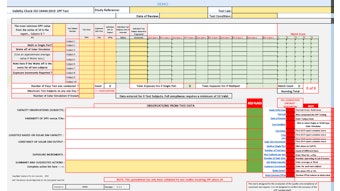
SciPharm Unveils Audit Kit for Sunscreen Test Report Evaluation
The audit kit is a three-part solution tailored to ensure accuracy and adherence to international testing standards.
Regional
Regulatory Round-Up: Toxic Dyes in Taiwan; ECHA Microplastics Reporting; Boots/Wet n Wild, Neutrogena Recalls; FDA Talc Testing; PFAS Mapping; and More
This roundup offers an overview of recent cosmetic product recalls, along with regulatory updates, safety evaluations and new compliance requirements.
Safety
FDA Withdraws Rule on Testing for Asbestos in Talc-Based Cosmetics
The U.S. Food and Drug Administration has announced it will withdraw its proposed rule to establish approved testing methods for detecting and identifying cancer-causing asbestos in talc-containing cosmetics.
Literature/Data
Comprehensive Review Confirms Safety of Avobenzone UV Filter
The review concluded avobenzone has a strong safety profile, shows minimal absorption through the skin, and presents no significant toxicological risks when used within approved concentrations.