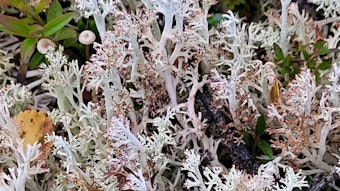
Nature demonstrates various protective strategies in the animal and plant kingdom. At the macroscopic scale, mobility (i.e., the ability to run) is the first and most obvious example, but slow or immobile creatures have evolved other fascinating ways to protect themselves. Chemical strategies can play an important role in this context. Strong odors and bright colors are often employed to point out that an attack may bring more harm to the aggressor than to the prey. This strategy depends on the large variety of naturally toxic materials produced by animals and plants in their “natural laboratories” in which some of the world’s most effective poisons are developed. Figure 1 gives the structures of some exemplary natural poisons.
Somewhat more hidden and therefore less known are the activities in the microscopic world. The strategy for chemical defense against microorganisms will normally differ from that against larger invaders due, in part, to differences in the metabolism. While large alkaloids or polypeptides may successfully harm animals, it is sometimes small and simple molecules that are effective against bacteria or fungi. Chemical defense against microbes is normally found in plants or other competing microorganisms, while animals rely on their biological immune response.