Nanotechnology can have positive affects on aesthetics, efficacy and delivery when formulated into skin care and sun care products, according to Adnan Nasir, MD, PhD, FAAD, a dermatologist and clinical assistant professor in the department of dermatology at the University of North Carolina.
Nasir spoke at the 68th Annual Meeting of the American Academy of Dermatology (AAD) in Miami, and his presentation was covered by an AAD online article.
Although Nasir expects a growth in nanotechnology over the next few years, he finds this cannot take place until a standard has been set to evaluate the safety and efficacy of nanosized particles in topical products.
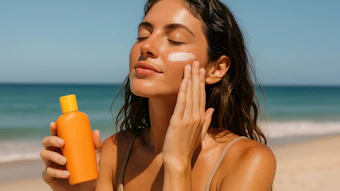
He noted that nanotechnology has been utilized to improve the undesirable aesthetic properties of larger particles of skin care products. Avobenzone and titanium dioxide, according to Nasir, can produce unpleasant aesthetic affects in sunscreens such as a greasy or white appearance, respectively. However, when the nanosized versions of these ingredients can appear less greasy and white while still blocking UVA and UVB radiation.
Nasir added that nanoparticles can increase a sunscreen's protection. “While widespread use of this technology is currently under evaluation, I think one of the main benefits of nanoparticles used in sunscreens will be that the particles can fit into all the nooks and crannies of the skin, packing more protection and more even coverage on the skin’s surface than microsized particles,” said Nasir.
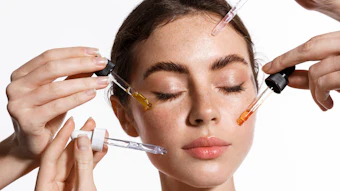
But nanotechnology does not just have benefits in sunscreen, according to Nasir. It also can deliver antiaging ingredients such as retinoids and antioxidants topically. Nasir noted that many of these ingredients such as vitamin C are not stable and are unable to penetrate the skin. He found that nanotechnology could not only make them stable but also could help them penetrate the skin.
Nasir continued that there are a number of dermatology-related uses for nanotechnology. He added that drugs such as botulinum toxin or growth factors may be able to rejuvenate the skin topically when nanosized. Nanosized gold, known as gold nanoshells, was referenced by Nasir as a possible treatment for melanoma. In mice, these nanoshells, have been shown to heat up in cancerous tissue to effectively kill the area. Non-invasive treatments for atopic dermatitis and ichthyosis also could be created with nanotechnology.
Although he finds benefits in nanotechnology, Nasir is still awaiting safety reviews. “We anxiously await the FDA’s review of the safety of nanoparticles which will determine their future role in skin cancer products,” he concluded.