Log In/Register
Facebook icon
LinkedIn icon
Instagram icon
Formulas/Products
Formulating Basics
Anti-aging/Face
AP/Deodorant
Bath/Shower
Color Cosmetics
Hair Care
Nutricosmetics
Oral Care
Skin Care
Sun Care
Hair Care
Actives
Silab Releases New Efficacy Data for LIFTILIENCE for Textured Hair
The ingredient’s triple action, combining film-forming, retraction power and adhesion capacity, now demonstrate high potential for textured hair formulations.
Featured
Literature/Data
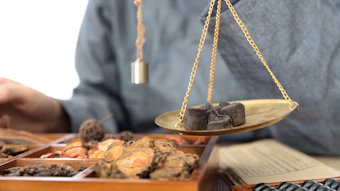
Traditional Chinese Medicinal Root Could Combat Hair Loss, Says New Study
The root works by blocking harmful hormones, activating hair-growth signals, protecting follicles and boosting blood flow to the scalp.
Sponsored
Preservation, Reimagined: Hybrid Antimicrobial Strategies for Safer, More Natural, Skin‑Protective Personal Care Products
Nature-aligned boosters transform preservation from necessity into value-adding benefit.
Read the latest issue
June 2026
Top Headlines
Event Coverage
2026
C&T Allēs
Honor 80 Beauty Innovators with Merits
Sponsored
Skin vs. Climate Chaos: Building Resilience in Real Time
Hair Care
Gloss Over Time: Hair Shine as a Slow Aging Signal from 25 to 55
Methods/Tools
Shea Butter Submicroemulsion for Transparent Silicone-free, Sulfate-free Conditioning Shampoos
Latest
Hair Care
Rethinking Hair Shine: Why Gloss Is a Structural Optical Property, Not a Surface Coating
A perspective on where hair shine science may be heading next.
Companies
Unilever Invests $270 Million in Global Innovation Center in Connecticut
The facility will include end-to-end integration of the R&D process, including formulation, fragrance creation and packaging design.
Actives
Debut, Natura Partner to Launch AI-Discovered Skin Longevity Ingredient for Latin America
The AI-discovered complex will feature Natura’s bioactive Amazonian botanicals to deliver performance in longevity.
Sponsored
Senolytic evolution: clear – fill – revive
SenoCellTec™ is an advanced senolytic innovation designed to rejuvenate the skin by addressing fundamental biological causes of aging.
Event Coverage
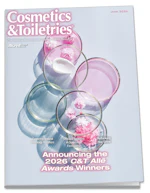
And the
C&T Allē Award
Goes To ... Unveiling the 2026 Winners
Preservation
Cosmetic Preservatives Market Expected to Reach $770 Million Over Next Five Years
The color cosmetics segment is projected to show the highest growth rate in the market over the forecast period.
Colorant
Global Natural Cosmetics Colorant Market Expected to Reach $71 Billion by 2031, According to New Report
Plant-based colorants hold the majority of the market share due to their sustainability, versatility and safety.
Preservation
Preservation, Reimagined: Hybrid Antimicrobial Strategies for Safer, More Natural, Skin‑Protective Personal Care Products
Nature-aligned boosters transform preservation from necessity into value-adding benefit.
Ingredients
dsm-firmenich to unveil Dream-Led Science at in-cosmetics Global 2026
This vision is expressed through the company’s portfolio of ingredients, including next-generation exosomes, climate-adaptive care and elevated hair care biotechnology.
Cleansing
AmphiStar Launches AmphiNova Biosurfactant Platform
AmphiStar will launch selected AmphiNova molecules directly to the market in the coming year.
Actives
IMCD To Unveil Seven Innovative Formulations for Post-Procedure Care at in-cos Global
The
Aestheticae Curae
formulations were developed by IMCD’s experts at the Hair Care & Toiletries Centre of Excellence in the United Kingdom and the Skin & Sun Care Centre of Excellence in France.
Actives
Core Biogenesis Launches Scalp Bioactive Peaureva
New ingredient targets five biological drivers of hair thinning and scalp aging.