Log In/Register
Facebook icon
LinkedIn icon
Instagram icon
Formulas/Products
Formulating Basics
Anti-aging/Face
AP/Deodorant
Bath/Shower
Color Cosmetics
Hair Care
Nutricosmetics
Oral Care
Skin Care
Sun Care
Formulas/Products
Actives
Cosphatec Announces Launch of Cosphaderm NAG Natural
Cosphatec will demonstrate the new ingredient at the SEPAWA Congress in Berlin, Germany.
Featured
Nutricosmetics
PLT Health Solutions Releases New Research on ceratiq Lipid Extract
ceratiq is available in oil and powder formats and can age used in functional foods and dietary supplements.
Sponsored
Skinifying Oral Care: The Microbiome Science
Join BLIS Technologies to unpack the strain science behind microbiome-friendly oral care: how targeted antimicrobial peptides modulate the ecosystem rather than strip it, how to formulate with live probiotics in real-world formats, and how to map claims that keep cosmetic products compliant.
Read the latest issue
October 2026
Top Headlines
People
Epicutis Appoints James Y. Wang, MD, MBA, as Chief Medical Officer
Color Cosmetics
Industry Insights: Q&A with Estée Lauder’s SVP of Global Clinical, Consumer Sciences on One-of-a-Kind Complexion Research
Sponsored
Augmented Longevity: Reprogramming the Skinspan Where Science, Technology and AI Redefine Ageing.
Anti-aging/Face
The Future of Beauty Feels Different
Latest
Sun Care
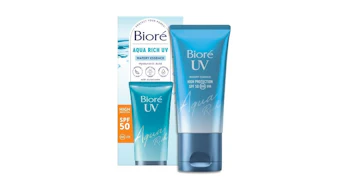
Read The Label: Bioré UV Aqua Rich Watery Essence SPF50
The UK formulation combines newly approved BEMT with known filters, making it poised for US adoption.
Color Cosmetics
Expert Opinions: Exploring a New Era of Color Cosmetics
Industry leaders weigh in on the latest innovations in skinification, sustainability and multifunctional beauty in color applications.
Hair Care
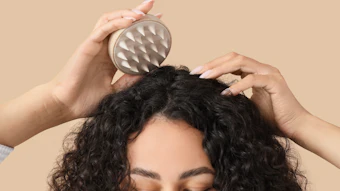
Combining Mild Cleansing and Lasting Hydration for Sensitive Scalp Care
Microbiome-friendly ingredients help support sensitive scalp care without compromising hair care solutions performance, and a product regimen combining rinse-off and leave-on treatments offers complementary scalp and hair benefits.
Sponsored
Augmented Longevity: Reprogramming the Skinspan Where Science, Technology and AI Redefine Ageing.
During this global webinar, Safic-Alcan will bring together market, scientific and technical perspectives to decode the concept of augmented longevity.
Literature/Data
Beyond Masking: A New Focus on Scalp Odor Prevention
Two separate in-vivo studies demonstrated that targeted antimicrobial treatments provide statistically significant and lasting reductions in scalp odor.
Anti-aging/Face
Next in Skin: Touch, Skincare and Stress Regulation - Insights from Professor Francis McGlone (Part 1)
For Professor Francis McGlone, touch should not be understood simply as a physical somatosensory experience but a neurobiological input.
Hair Care
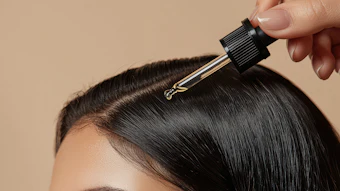
Advances in Scalp Health: Rethinking Technologies, Biology and the Future of Treatment Strategies
A healthy scalp is now understood as a dynamic, multi-factorial ecosystem.
Anti-aging/Face
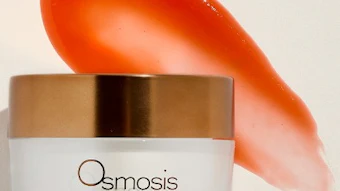
Osmosis Beauty Launches Two New Face Masks
Move over pumpkin spice, there’s a new obsession coming to skincare this Fall
Nutricosmetics
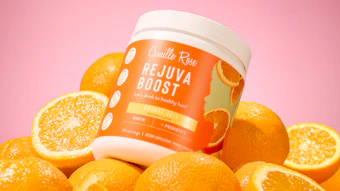
Female-Founded Hair Care Brand Makes a Shift into Wellness
Actives
Clariant Launches Genadvance Repair Active for Hair Styling
The ingredient, once activated by heat, interacts with the hair’s keratin structure to seal damaged cuticles and protect the hair surface.
Event Coverage
The Deadline is Approaching! 2027
C&T Allē Awards
Entries Close Oct 16
Eligible entries for the 2027 C&T Allēs include innovations
launched or implemented
any time during the 2026 calendar year.
Anti-aging/Face
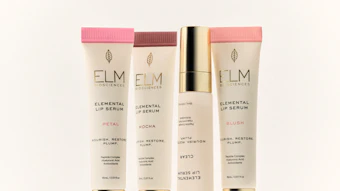
Elm Biosciences Introduces the Elemental Lip Serum
The Clinically-Backed Balm-Oil Hybrid from Martha Stewart and Dr. Dhaval Bhanusali Brings Longevity Science to One of the Face's Most Overlooked Aging Zones