Exposure to ultraviolet radiation (UVR), air pollutants, chemical oxidants and aerobic microorganisms may damage the skin. In particular, reactive oxygen species (ROS) are considered a likely contributor to skin aging, cancer and certain skin disorders.
Natural defense systems in healthy skin can protect against exogenous oxidative stress. Excessive free radical attack, such as overexposure to UVR, however, can overwhelm cutaneous antioxidant capacity, leading to oxidative damage and ultimately to skin cancer, immunosuppression and premature skin aging. Therefore, supplying exogenous antioxidants to the endogenous antioxidant system may prevent or minimize ROS-induced photoaging. This is why topical products with antioxidant properties have proliferated worldwide.
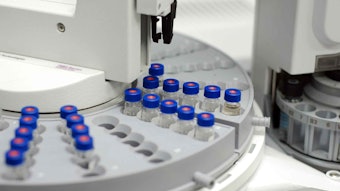
Recently, in vitro and in vivo methods have been utilized for the evaluation of antioxidant capacity. Most are based on the measurement of the relative abilities of antioxidants to scavenge radicals in comparison with the antioxidant potency of a standard antioxidant compound. However, some technologies require complicated performance and are time-consuming or expensive. We introduced a rapid, accurate and facile method to quantify the antioxidative capacity with a sensitive photochemiluminescence devise.