Log In
Register
Facebook icon
LinkedIn icon
Instagram icon
Formulas/Products
Formulating Basics
Anti-aging/Face
AP/Deodorant
Bath/Shower
Color Cosmetics
Hair Care
Nutricosmetics
Oral Care
Skin Care
Sun Care
Color Cosmetics
Consumers/Market
Trending: Makeup by Mario Lip Plumper, Suede Lips, Pink Concealer, Vegan/Halal and More
Our Consumer Pulse report uncovers trends in consumer searches related to beauty. Now trending: Makeup by Mario lip plumper, Gucci Westman suede lips, Easter makeup, Brooke Monk, vegan/halal IBA Cosmetics, kojic acid face wash, pink/brow concealers, etc.
Regional
How Cyclic Silicone and Microplastic Bans Impact Color Cosmetic Formulating
Formulating Basics
Siltech Rolls Out High-performance Silicone Formulas for in-cosmetics 2024
Latest
Colorant
Eckart's Mirage Glamour Space Silver Delivers Metallic Sparkle for Natural, Vegan Cosmetics
While Mirage Glamour Space Silver features optical effects similar to a metallic pigment, it is actually based on borosilicate.
Event Coverage
And the Winners Are …
C&T
Presents the 2024
Allē Awards
and Merits
Beauty innovators lined the red carpet and graced the stage under the limelight during the exclusive 2024
Cosmetics & Toiletries Allē Awards
celebration dinner, held on March 6, 2024, at the Biltmore Hotel in Los Angeles.
Sponsored
Sustainable Actives from ICSC’s Certified Precision Climate Farming
ICSC offers a range of sustainable active ingredients produced from plants grown in certified Precision Climate Farming facility in Denmark with zero chemicals, optimized level of actives, extracted with Greener Technology for efficacy and stability.
Formulating Basics
NEW EXPERT ALERT Lipstick Lesbians Join Product Design in the Age of Beauty Influencers
Social media is setting trends and beauty standards (for good and ill), signaling shifts in consumer sentiment, shaping marketing strategies, and even inspiring beauty product innovation.
Consumers/Market
Trending: Milk Makeup Jelly Blush, Sugar Cosmetics, Rice Serum and Space Makeup
Our regular "Consumer Pulse" report on the socials reveals trends in cosmetic searches. Top topics this week are: Milk Makeup jelly blush/tint, Morphe Makeup Talk eye/lip liner, Sugar Cosmetics valuation, rice serum, #spacemakeup, #lazylipstick and more.
Safety
New Zealand to Ban PFAS 'Forever Chemicals' from Cosmetics
As a part of several updates made to the Cosmetic Products Group Standard, the New Zealand Environmental Protection Agency announced the decision to ban PFAS on Jan. 30, 2024; the ban will go into effect on Dec. 31, 2026.
Event Coverage
Beauty Accelerate
Drops Reg Rates for L.A. Debut — But Act Fast
Take advantage now of group rates for 2, 3, 4 and more attendees as
Beauty Accelerate
celebrates it L.A. debut. On a first-come, first-served basis, registrations start at $199 ea for 2 people, 2 days (Code: ATT2). Read on for more details.
Color Cosmetics
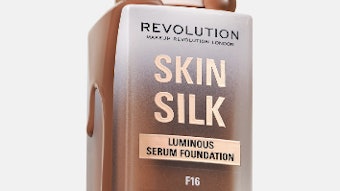
Makeup Revolution Launches Skin Silk Serum Foundation at Ulta Beauty
The Skin Silk Serum Foundation is infused with hyaluronic and a peptide complex to hydrate the skin, while visibly plumping the complexion with every application.
Consumers/Market
Trending: Bye Bye Under Eye Concealer, Madara Cosmetics, Looks Maxxing, Male Beauty and More
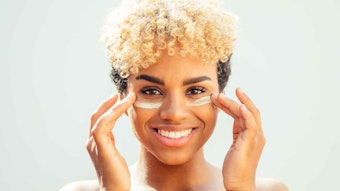
Our weekly "Consumer Pulse" report uncovers trends in cosmetic-related searches across the web. What's hot? Reggie Wells makeup, Makeup Forever #108 Brush, It Cosmetics Bye Bye Under Eye Concealer, Madara Cosmetics, looks maxxing, male beauty and more.
Event Coverage
Which Mass Market Beauty Formulas Will Snag
C&T Allēs
in 2024?
Which mass market beauty products will snag
C&T Allēs
? Find out at our exclusive red carpet-style awards dinner on March 6, 2024, at the Biltmore in L.A. – alongside our stimulating
Beauty Accelerate
event. Following are the contenders...
Anti-aging/Face
Beauty Retail's Top Questions Answered
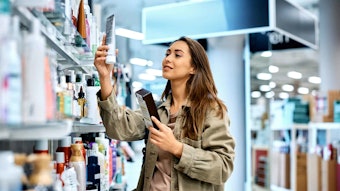
Notably, beauty was one of the few discretionary consumer product categories to grow in 2023, pointing to resilient shopper demand, even amid inflation concerns.