Log In
Register
Facebook icon
LinkedIn icon
Instagram icon
Formulas/Products
Formulating Basics
Anti-aging/Face
AP/Deodorant
Bath/Shower
Color Cosmetics
Hair Care
Nutricosmetics
Oral Care
Skin Care
Sun Care
Formulas/Products
Companies
MetaNovas Earns Accolades in L'Oréal's North Asia Big Bang Beauty Tech Program - This Webinar Shows Why
The Big Bang Beauty accolade underscores MetaNovas' AI-driven approach to integrating scientific rigor from pharmaceutical development into the consumer health sphere. An upcoming webinar will demonstrate the company's ingenuity. Register now; it's free.
Event Coverage
9 Top Trends + 30 Beauty Insights from in-cosmetics Global 2024
Actives
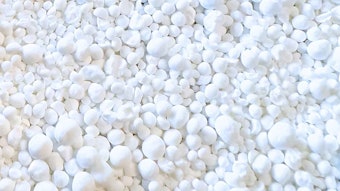
Uviva to Reveal Novel Eclipse G1 Granules to Simplify ZnO Formulating
Latest
Sponsored
100% Green Cationic Conditioning Active and Afro Hair Care
Kerashaft Alab: 100% green biotech cationic active outperforming synthetic quats, tested on Caucasian and Afro hair. Proven combing improvement detangling, breakage reduction, anti-frizz, gloss and styling action.
Audio
[podcast] University of Cincinnati Presents Fragrance Lab Course
In this sponsored podcast, K.P. Ananth, Ph.D., and Erika Nomeland, fragrance consultant and professor for the Fragrance Lab course at the University of Cincinnati, discuss the latest course coming to the university.
Consumers/Market
Trending: Neon Lashes, Florence by Mills, Makeup AR.com, 2000s Makeup and More
Our weekly Consumer Pulse on the socials uncovers insights in cosmetic searches. Now trending: Florency Cosmetícos, Florence by Mills, Makeup AR.com, Makeup-ar.com face shape, 2000s makeup, lion's mane and collagen supplements, sock waves and neon lashes.
Formulating Basics
Label Challenge Answer: Simple Kind to Skin Moisturizing Facial Wash
Consumers/Market
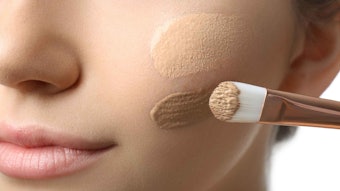
Trending: Makeup by Mario Lip Plumper, Suede Lips, Pink Concealer, Vegan/Halal and More
Our Consumer Pulse report uncovers trends in consumer searches related to beauty. Now trending: Makeup by Mario lip plumper, Gucci Westman suede lips, Easter makeup, Brooke Monk, vegan/halal IBA Cosmetics, kojic acid face wash, pink/brow concealers, etc.
Regional
How Cyclic Silicone and Microplastic Bans Impact Color Cosmetic Formulating
Cyclic silicones and microplastics face bans under REACH but both contribute to the aesthetics and performance of color cosmetics. This article describes these bans and what replacing them means for color cosmetic formulating.
Formulating Basics
Siltech Rolls Out High-performance Silicone Formulas for in-cosmetics 2024
The premium functional and aesthetic benefits of the sunscreen, color, skin care, makeup remover and shampoo bar formulas result from multiple Siltech ingredients.
Bath/Shower
The Shop Men's Grooming Line Available Exclusively at Walmart
The Shop Men's Grooming Line features seven products designed for all men, addressing universal needs for skin, hair and beard.
Actives
Clariant’s CycloRetin Taps Cyclic Peptides for a Retinol and Bakuchiol Alternative
CycloRetin's heterophyllin B molecule is a cyclic peptide that enhances skin matrix production, per Clariant, thereby improving collagen and reducing the signs of aging.
Nutricosmetics
[updated] Monteloeder Finds Zeropollution Supplement Protects Skin Against Pollution
Monteloeder published a clinical study that demonstrated how its Zeropollution supplement works within the body to reduce the negative effects of pollution on skin health.
Skin Care
IBG Wins Allē Award for Blue Light-blocking Cosmetics Line
The line was named a winner in the Sun/Light Protection Product category for Finished Formulas presented during Beauty Accelerate in Los Angeles.