Log In
Register
Facebook icon
LinkedIn icon
Instagram icon
Formulas/Products
Formulating Basics
Anti-aging/Face
AP/Deodorant
Bath/Shower
Color Cosmetics
Hair Care
Nutricosmetics
Oral Care
Skin Care
Sun Care
Formulas/Products
Event Coverage
9 Top Trends + 30 Beauty Insights from in-cosmetics Global 2024
Nearly 200 new launches were on display at in-cosmetics Global, held April 16-18, 2024, in Paris. Here, we've captured some of the top trends we spotted — but this is merely a sampling.
Actives
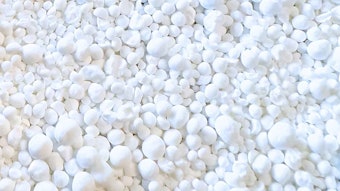
Uviva to Reveal Novel Eclipse G1 Granules to Simplify ZnO Formulating
Skin Care
Croda's Emotional Synesthesia Formula Collection with Tranformative Textures and Vegan Alternatives
Latest
Audio
[podcast] University of Cincinnati Presents Fragrance Lab Course
In this sponsored podcast, K.P. Ananth, Ph.D., and Erika Nomeland, fragrance consultant and professor for the Fragrance Lab course at the University of Cincinnati, discuss the latest course coming to the university.
Consumers/Market
Trending: Neon Lashes, Florence by Mills, Makeup AR.com, 2000s Makeup and More
Our weekly Consumer Pulse on the socials uncovers insights in cosmetic searches. Now trending: Florency Cosmetícos, Florence by Mills, Makeup AR.com, Makeup-ar.com face shape, 2000s makeup, lion's mane and collagen supplements, sock waves and neon lashes.
Formulating Basics
Label Challenge Answer: Simple Kind to Skin Moisturizing Facial Wash
Sponsored
Neuroglow,™ the Active that Captures the Molecular Power of the Sun
Givaudan Active Beauty unveils Neuroglow™, a powerful active ingredient designed to safely replicate all the positive effects of the sun. The result? A healthy glow and enhanced wellbeing all year round.
Regional
How Cyclic Silicone and Microplastic Bans Impact Color Cosmetic Formulating
Cyclic silicones and microplastics face bans under REACH but both contribute to the aesthetics and performance of color cosmetics. This article describes these bans and what replacing them means for color cosmetic formulating.
Formulating Basics
Siltech Rolls Out High-performance Silicone Formulas for in-cosmetics 2024
The premium functional and aesthetic benefits of the sunscreen, color, skin care, makeup remover and shampoo bar formulas result from multiple Siltech ingredients.
Bath/Shower
The Shop Men's Grooming Line Available Exclusively at Walmart
The Shop Men's Grooming Line features seven products designed for all men, addressing universal needs for skin, hair and beard.
Actives
Clariant’s CycloRetin Taps Cyclic Peptides for a Retinol and Bakuchiol Alternative
CycloRetin's heterophyllin B molecule is a cyclic peptide that enhances skin matrix production, per Clariant, thereby improving collagen and reducing the signs of aging.
Nutricosmetics
[updated] Monteloeder Finds Zeropollution Supplement Protects Skin Against Pollution
Monteloeder published a clinical study that demonstrated how its Zeropollution supplement works within the body to reduce the negative effects of pollution on skin health.
Skin Care
IBG Wins Allē Award for Blue Light-blocking Cosmetics Line
The line was named a winner in the Sun/Light Protection Product category for Finished Formulas presented during Beauty Accelerate in Los Angeles.
Sun Care
Herbivore Enters Sun Care Category With Star Seed SPF 30 Vitamin C Brightening Mineral Sunscreen
It is a super lightweight, tinted mineral SPF 30 sunscreen delivering effective UVA/UVB protection against daily cell damage that can cause up to 90% of the signs of premature aging.